Do You Need 20% Down to Buy a Home in Central Florida? What First-Time Buyers Should Know in 2026
The Truth About Down Payments: Why Many Central Florida Buyers Can Purchase Sooner Than They Think
Think you need 20% down to buy a home in Central Florida? Learn the truth about down payment options, local buyer programs, FHA, VA, USDA loans, and how first-time buyers can purchase sooner in Orlando, Tampa, Lakeland, and beyond.
Many future homeowners across Central Florida delay buying because they believe they need a 20% down payment before they can purchase a home.
That idea has been repeated for years—but for many buyers, it simply isn’t true.
If you're renting in places like Orlando, Lakeland, Winter Haven, Tampa, Kissimmee, or Ocala and waiting to save 20%, you may be postponing homeownership longer than necessary.
According to Google Trends, online searches for down payment information recently hit an all-time high. And that’s a clear sign more buyers are trying to figure out what they really need to save before making a move (see graph below):
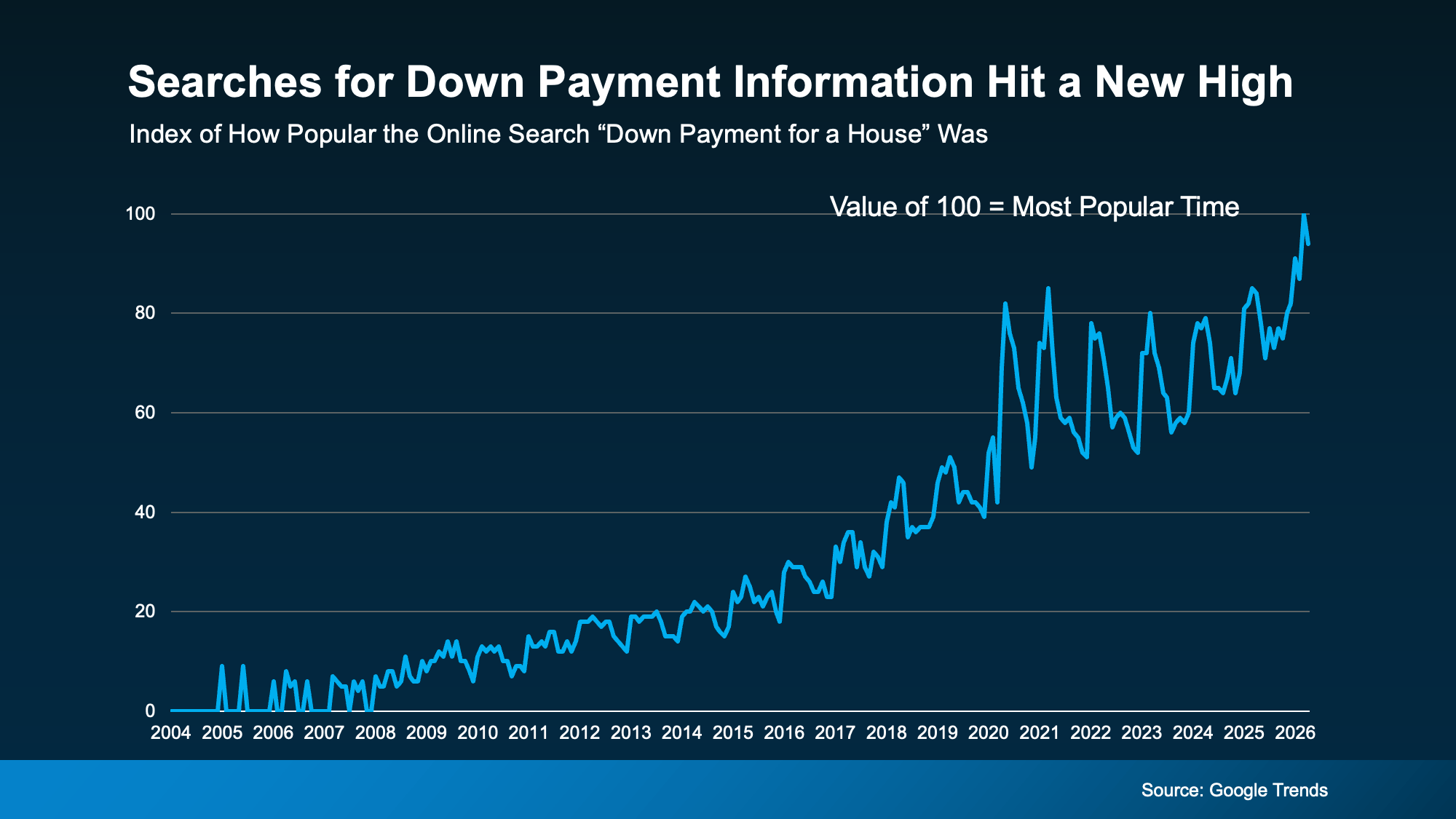
The truth is this: many first-time homebuyers purchase with much less down depending on their loan type, credit profile, income, and eligibility. National housing data shows first-time buyers often put down single-digit percentages rather than 20%.
Let’s break down what Central Florida buyers need to know right now.
Where Did the 20% Down Payment Myth Come From?
The 20% number became popular because it can help buyers:
Avoid private mortgage insurance (PMI) on many conventional loans
Lower monthly mortgage payments
Reduce total loan amount
Improve financing flexibility
Those are real advantages—but they are benefits, not requirements.
According to the National Association of Realtors (NAR), the median down payment for first-time homebuyers is only 10%. That’s half of what you probably expected.
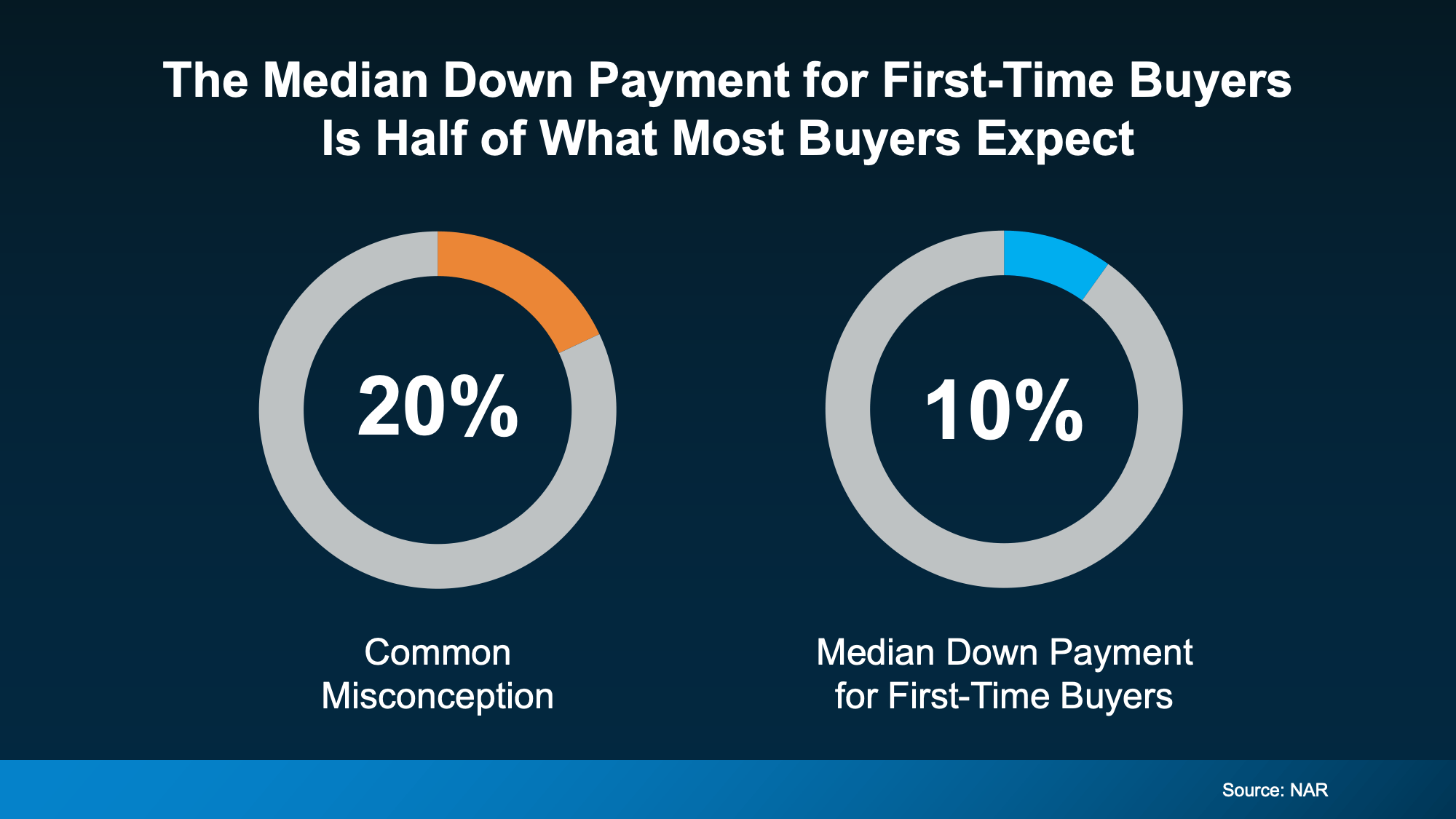
Today’s lending market offers multiple paths to homeownership with lower upfront cash needs.
For many Central Florida buyers, especially first-time purchasers, waiting until they save 20% could mean:
Paying rent for several more years
Missing equity growth opportunities
Facing higher home prices later
Competing in a different rate environment
How Much Down Payment Do Buyers Really Need?
Depending on the loan program, buyers may qualify with significantly less than 20%.
Conventional Loans
Some conventional loan programs allow qualified buyers to purchase with as little as 3% down.
Best for buyers with:
Stronger credit
Stable income
Lower debt-to-income ratios
FHA Loans
FHA loans commonly allow 3.5% down for qualified buyers.
Popular among:
First-time buyers
Buyers rebuilding credit
Buyers needing more flexible approval guidelines
VA Loans
Eligible veterans, active-duty service members, and some surviving spouses may qualify for 0% down VA financing.
USDA Loans
Certain rural and suburban areas surrounding Central Florida may qualify for 0% down USDA loans, depending on location and income eligibility.
Why This Matters in Central Florida

Central Florida continues to attract residents because of:
Job growth
Tourism-related employment
Healthcare expansion
Logistics and distribution hubs
Warm climate lifestyle
No state income tax in Florida
That demand can keep pressure on housing prices in desirable communities.
If you wait several years trying to save a full 20%, you could face:
Higher purchase prices
Increased insurance costs
More expensive rents
Reduced affordability overall
Sometimes buying with a smaller down payment sooner can outperform waiting for a larger down payment later.
Example: Waiting Could Cost More Than PMI
Many buyers avoid lower down payment options because of mortgage insurance.
But here’s the bigger picture:
If rent is $2,000 per month and you wait two more years to save 20%, that’s roughly $48,000 in rent payments—money that does not build ownership equity.
Meanwhile, if home values rise during that time, your target down payment may rise too.
In many cases, a modest PMI payment may be less costly than delaying ownership for years.
Every buyer’s math is different, but this is why strategy matters more than myths.
Central Florida Areas Where First-Time Buyers Still Find Opportunity
While some neighborhoods are premium-priced, many buyers still find value in surrounding areas.
Greater Orlando Area
Clermont, Apopka, Sanford, and Kissimmee often attract buyers seeking more affordability than core Orlando neighborhoods.
Polk County Growth Corridor
Lakeland, Winter Haven, and nearby communities remain popular for commuters between Orlando and Tampa.
Tampa Commuter Markets
Areas east of Tampa may offer opportunities for buyers who want more space.
North Central Florida Options
Ocala continues to draw buyers seeking affordability and land.
Don’t Forget Down Payment Assistance
Many buyers assume their only option is saving everything themselves.
That’s not always true.
Some buyers may qualify for:
State housing assistance programs
County or city grants
Forgivable second mortgages
Closing cost assistance
First-time buyer education incentives
Research from Realtor.com shows almost 80% of first-time homebuyers qualify for down payment assistance (DPA), but only 13% actually use it (see chart below):
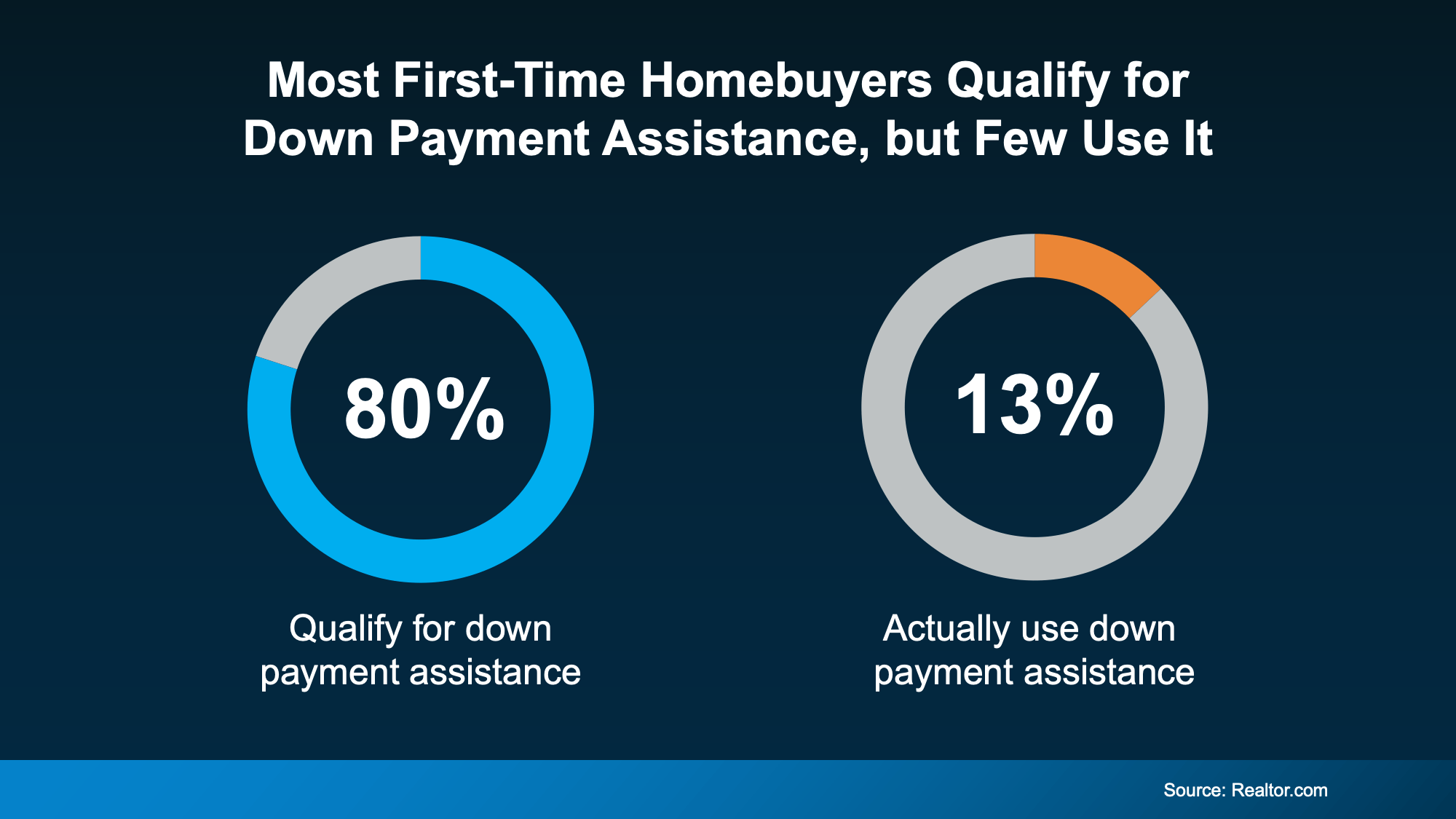
A local lender can help identify options specific to Central Florida counties.
What You Should Do Before You Start House Hunting
1. Talk to a Local Lender First
Get pre-approved before browsing homes seriously. This gives you:
Realistic monthly payment targets
Estimated cash-to-close numbers
Loan program options
Confidence when making offers
2. Focus on Monthly Payment, Not Just Down Payment
Sometimes buyers obsess over down payment size while ignoring:
Taxes
Insurance
HOA dues
Utilities
Maintenance reserves
Affordable ownership is about the full picture.
3. Work With a Local Real Estate Expert
A Central Florida agent can guide you on:
Neighborhood value trends
Insurance-sensitive areas
Commute patterns
New construction opportunities
Negotiation strategy
The Bottom Line
You do not automatically need 20% down to buy a home in Central Florida.
For many buyers, the right path may be:
3% down conventional financing
3.5% down FHA
0% down VA or USDA
Down payment assistance programs
If you’ve been waiting because of an outdated rule, now may be the time to explore what’s actually possible.
The smartest next step is to speak with a trusted local lender and real estate professional who understands the Central Florida market—and can show you real numbers instead of myths.