Robert Michael & Co. • Central Florida Mortgage Insights
The Fed Changed Rates. Why Didn’t Your Mortgage Quote Follow?
The less-obvious bond-market forces behind mortgage rates—and a practical guide to understanding a lender's next quote in Orlando and Central Florida.
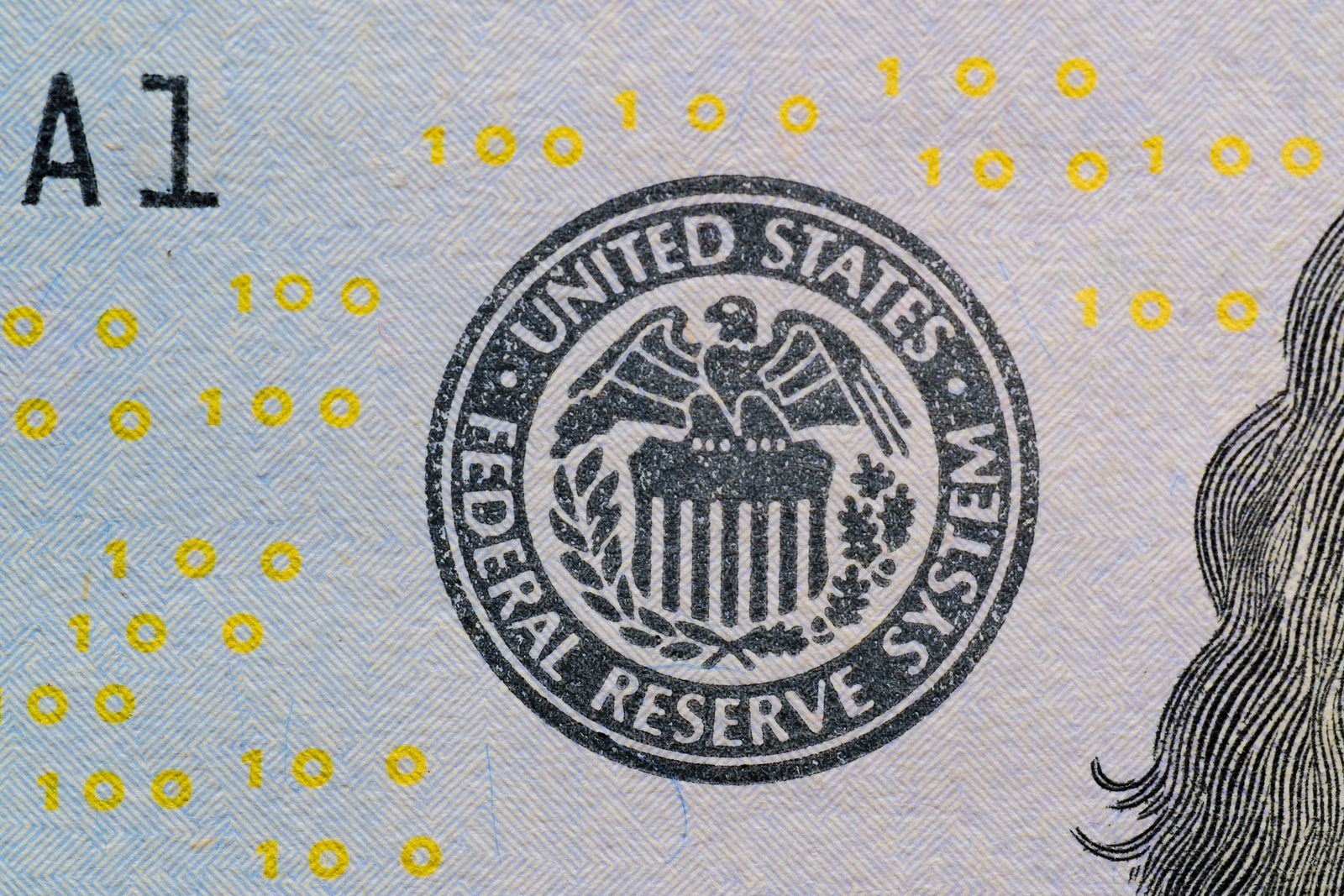
Imagine hearing that the Federal Reserve has moved its benchmark interest rate by a quarter of a percentage point. You call your mortgage lender expecting the 30-year fixed rate to move by the same amount. Instead, your quote barely changes—or moves in the opposite direction. Is something wrong? No. You are looking at two different financial markets.
That distinction matters in October 2026. On September 16, the Federal Reserve raised its federal funds target range to 3.75%–4.00%. Meanwhile, Freddie Mac reported a 7.40% average 30-year fixed mortgage rate on October 8, compared with 7.28% a week earlier. Those figures measure different things; subtracting one from the other is not a calculation of your personal mortgage offer.
Why the Fed’s Overnight Rate Is Not Your 30-Year Mortgage Rate
The federal funds rate is a very short-term interest rate associated with overnight lending between eligible financial institutions. When the Federal Open Market Committee changes its target range, it affects short-term credit conditions and sends a message about inflation and the broader economy.
A mortgage is different. A lender making a 30-year fixed-rate home loan needs to account for years of investment returns, potential refinancing, inflation and risk. The financial institutions that ultimately invest in mortgages are looking well beyond the next Fed meeting. As the Federal Reserve Bank of St. Louis explained on October 1, 2026, mortgage rates are determined in long-term markets, where expectations can matter more than the latest policy headline.
September 16, 2026
October 8, 2026
Not an overnight loan
Sources: Federal Reserve and Freddie Mac PMMS. Freddie Mac reports a national survey average for qualifying loan scenarios, not a rate available to every borrower.
Follow the Money: How Bond Markets Become Mortgage Quotes
Many people hear “Treasury yields” on the news without understanding what Treasury bonds have to do with buying a house in Winter Garden or Kissimmee. A 10-year U.S. Treasury note is often used as a reference point for mortgage pricing because homeowners frequently sell or refinance before a 30-year loan runs its full term.
But a mortgage carries risks that a U.S. Treasury security does not. Investors in mortgage-backed securities (MBS)—investments composed of pools of home loans—require compensation for risks including early repayment and interest-rate volatility. Lenders also account for operational expenses and pricing margins. The result is not a fixed markup that stays identical week after week.
Economic news
Inflation, jobs and Fed guidance reshape expectations for future rates.
Bond investors
Demand for Treasuries and mortgage-backed securities changes their yields.
Mortgage pricing
Lenders account for investor returns, costs, risk and competition.
Your loan offer
Credit, loan type, property, points and lock period shape the quote.
A Fed announcement is news about policy. A mortgage quote is a price from the financial market.
Why can bond prices and yields move in opposite directions?
Suppose an older bond pays a fixed amount of interest. When buyers bid up the bond’s price, that fixed payment represents a smaller return relative to its purchase price: its yield falls. When its market price drops, the yield rises. Mortgage-backed securities have additional features, but the basic bond-price-and-yield relationship helps explain why stronger or weaker demand for fixed-income investments can influence mortgage costs. For a deeper explanation, see the St. Louis Fed discussion of Treasury yields and MBS spreads.

What Happens When the Fed Makes an Announcement?
The surprise is often more important than the announcement itself. Traders may already expect a rate increase or cut for weeks. If the decision matches expectations, mortgage markets may barely react. If the Fed signals a different economic outlook than investors anticipated, long-term bond yields can change even when its immediate policy rate does not.
| Headline or event | What markets may focus on | Possible effect on mortgage rates |
|---|---|---|
| Widely expected Fed rate decision | Whether future guidance changes | Little immediate movement is possible |
| Unexpectedly strong inflation | Higher future inflation and yields | Upward pressure can develop |
| Inflation improves more than expected | Lower long-term inflation expectations | Downward pressure can develop |
| Fed signals more tightening ahead | Future short-term rates and growth | Mixed reaction; depends on bond-market interpretation |
Educational scenarios, not guaranteed predictions. Markets can respond differently depending on other developments.
This is why a mortgage borrower cannot reasonably expect a one-to-one move after a quarter-point Fed decision. It is also why predicting rates from a calendar of Fed meeting dates alone is unreliable.
Not All Home Loans React the Same Way
Another detail often missing from interest-rate headlines is the type of loan being discussed. A fixed mortgage, an adjustable-rate mortgage and a home-equity line of credit behave differently.
| Loan product | How its rate works | What a Fed change can mean |
|---|---|---|
| 30-year fixed | Rate generally stays fixed for the loan term once closed | New quotes can change through bond markets; an existing fixed rate does not reset |
| Adjustable-rate mortgage (ARM) | Often starts fixed, then adjusts based on an index plus margin, subject to caps | Index and future adjustment dates matter; it does not necessarily reset on Fed announcement day |
| Variable-rate HELOC | Frequently linked to the prime rate, with lender-specific terms | May respond more directly to short-term rate changes than a 30-year fixed mortgage |
For adjustable-rate mortgages, the Consumer Financial Protection Bureau explains the index, margin and adjustment caps. The details of your signed loan agreement matter more than a general claim that “the Fed just changed mortgage rates.”
Five Indicators Worth Watching Before You Request a Quote
You do not need to become a bond trader to understand the big picture. These signals provide more useful context than simply asking whether the Fed will cut or raise its benchmark.
01 / Inflation
Consumer-price and other inflation reports affect expectations for the purchasing power of future payments. Markets can move on the difference between what analysts expected and what the report actually says.
02 / The 10-year Treasury yield
It is a widely followed reference point for longer-term mortgage pricing. Watch the direction of the yield over time; do not assume your specific quote will match its change exactly.
03 / Mortgage-backed security pricing
A widening or narrowing mortgage spread can make rates move differently from Treasury yields. This is one reason two seemingly similar bond-market days do not always produce the same mortgage offer.
04 / Fed forecasts and language
The statement, economic projections and press conference can change expectations even when the current target range stays the same.
05 / Actual lender offers
Real-time quotes, fees, points and lock options are what determine the financing available for a specific home purchase.
How to Read a Mortgage Quote Without Getting Misled
Imagine receiving one proposal with a slightly lower interest rate and another proposal with fewer upfront charges. Which is better? You cannot know from the interest-rate number alone. The lower rate might require expensive discount points; the higher-rate option might leave more cash available at closing.
The CFPB recommends comparing multiple Loan Estimates and checking the loan amount, interest rate, upfront loan costs, lender credits, cash to close and the five-year cost of borrowing. It also warns that estimated property taxes and insurance may vary without reflecting a better lender deal.
Timing matters: protect the closing, not just the headline rate
If you are shopping and have not signed a contract, ask a lender what assumptions are behind an advertised rate. Once under contract, confirm the conditions for locking, the lock expiration date, possible extension charges and any special limits tied to the property or loan program. A good rate that expires before your transaction can close may not be a good outcome. See the CFPB guidance on mortgage rate locks.
How This Applies in Central Florida
In Orlando, Lake Nona, Winter Garden, Kissimmee, Clermont and surrounding communities, buyers are not just evaluating bond-market conditions. They are evaluating an actual property with a particular financing profile. Condominium loans, investment-property purchases, new construction and single-family resales may have different lender requirements and pricing even when the buyer has the same credit profile.
For anyone searching houses for sale central florida, a useful sequence is to first confirm the financing that fits the property type, then compare credible quotes and verify costs that a mortgage-rate headline cannot reveal. For a separate discussion of the broader real estate market, see my earlier article, Why Mortgage Rates Matter in Orlando Real Estate in 2026. That article addresses local affordability; this guide focuses specifically on how rates are set.

What sellers should take from all this
A Fed meeting does not immediately change what every buyer can afford. If you are selling a home, avoid making a pricing decision based on a single policy headline. Ask instead whether buyers for your property type and price point can obtain financing on terms that support an offer. An experienced local agent can help connect the property's competitive position to the conditions buyers are actually facing.
Frequently Asked Questions
Does the Fed determine the 30-year mortgage rate?
No. The Fed sets a short-term policy-rate target. Long-term mortgage pricing responds to expectations, Treasury and mortgage-security markets, lender costs and the borrower's loan characteristics.
Why did my lender raise rates when the Fed made no change?
Long-term yields, mortgage-security pricing, competition or loan-specific factors can shift between Fed meetings. A lender can reprice new mortgage offers even without a new policy decision.
Will a Fed cut lower the rate on my existing fixed mortgage?
No. An existing fixed-rate mortgage generally keeps its agreed rate unless you refinance or otherwise modify the loan. Whether refinancing would make sense depends on new loan pricing, costs and your circumstances.
Should I delay my purchase until the next Fed meeting?
Not solely because of the meeting date. Evaluate the property, your financing terms and your closing timetable; financial markets may have anticipated the announcement already.
Robert Michael & Co. Real Estate Team
Understand Your Options Before You Make Your Move.
From Orlando to Kissimmee, Winter Garden, Clermont and beyond, get local real estate guidance that considers the property, the market and your buying or selling objectives.
Or email robert@robertmichael.com
618 E. South St., Suite 500, Orlando, FL 32801
Research & Source Notes
Mortgage market facts are current through October 8, 2026. Key primary sources: Federal Reserve FOMC release (Sept. 16, 2026); Freddie Mac PMMS (Oct. 8, 2026); St. Louis Fed mortgage-rate explainer (Oct. 1, 2026); and CFPB Loan Estimate comparison guide. Image credits are linked beneath each photo.
Educational real estate commentary, not a mortgage offer, rate prediction, or individualized financial, legal or tax advice. The Freddie Mac figure is a national survey average and is not a guarantee of any lender’s offer. Image of a home is for illustration only and is not an advertised listing.