CENTRAL FLORIDA REAL ESTATE INSIGHTS 2026 SELLER GUIDE
The Silver Tsunami Is Coming.
Should Orlando Homeowners Sell Before It Arrives?
What the next generational housing transfer could mean for your home value, your timing, and your next chapter.
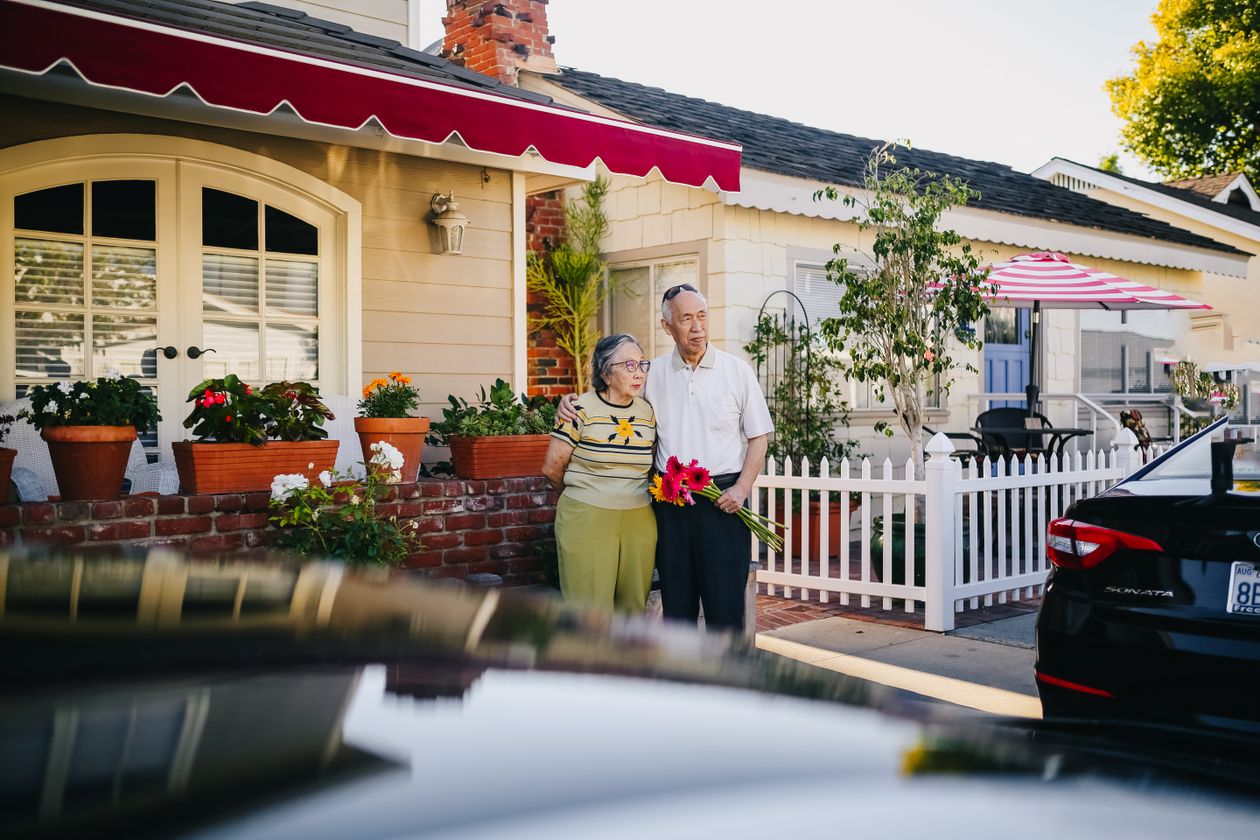
For years, headlines have warned that millions of Baby Boomers will eventually sell their homes, creating a so-called “silver tsunami” of properties for sale. If you own a home in Orlando, Winter Garden, Kissimmee, Clermont, Windermere, or another Central Florida community, you may be wondering: Should I sell now, before more homes compete with mine?
The answer is more interesting—and more useful—than a simple yes or no. New research shows that a major generational transfer of housing is underway. But it does not show that Orlando is about to experience one sudden flood of listings or a guaranteed drop in home values. The opportunity for sellers is to understand which homes may face more competition, how local markets differ, and when a move makes financial and personal sense.
What the “Silver Tsunami” Actually Means in 2026
The phrase describes what could happen as older homeowners eventually leave properties they have owned for decades. Some will downsize, move closer to family, or move into another type of housing. Others will leave homes to heirs. Each transition can change who occupies a property, but not every property automatically becomes a public for-sale listing. A family might keep an inherited home, rent it, or transfer it privately.
A major October 5, 2026, Realtor.com research report projects that 13.9 million owner-occupied homes held by Baby Boomers and the Silent Generation could be released from those households between 2026 and 2036. That is a national, decade-long estimate—not a prediction of 13.9 million simultaneous MLS listings.
The distinction matters. A housing handoff spread over ten years gives buyers, sellers, investors, and communities time to adjust. The study expects the annual pace to increase gradually, and it notes that some homes will never reach the conventional listing market.
Earlier Freddie Mac research likewise projected a gradual reduction in Baby Boomer homeowner households rather than an overnight surge. Freddie Mac's projection and Realtor.com's newer estimate use different age groups, time periods, and definitions, so their totals should not be compared as though they measure the same thing.
National projections: Realtor.com Economic Research (October 2026). These do not represent projected Orlando MLS listings.
The Most Important New Finding: The Size of the Home Matters
The latest generational research contains an insight many housing headlines miss: the projected housing transfer is not evenly distributed among property types. According to Realtor.com's 2026 analysis, most of the expected releases are homes with three or more bedrooms.
| Home size | Projected U.S. homes released, 2026–2036 | Potential meaning for Central Florida sellers |
|---|---|---|
| 0–2 bedrooms | About 380,000 | The national demographic transfer alone is unlikely to create an enormous new wave of small starter homes. |
| 3–4 bedrooms | About 9.9 million | Family-size homes are the largest segment of the projected handoff; presentation, condition, and neighborhood appeal could become increasingly important. |
| 5+ bedrooms | About 3.6 million | Larger homes may face additional long-term competition in some markets, making realistic pricing and a distinctive marketing strategy especially valuable. |

Source: Realtor.com Economic Research, October 2026. These are national projections, not Orlando-area listing forecasts. Figures are rounded.
In practical terms, a well-maintained four-bedroom home may remain desirable to growing households, while an oversized house with aging systems may need a more thoughtful plan to stand out. And a small, low-maintenance home could appeal to more than one audience, including first-time purchasers and buyers seeking less upkeep.
This is why a seller should not rely on the phrase silver tsunami alone. The type of house you own—and what buyers can choose instead—matters much more.

Central Florida Will Not Experience This Trend in the Same Way Everywhere
Orlando is not one housing market. The age mix in an established neighborhood near downtown Orlando is different from that in an active-adult community in Lake County. Communities also differ in employment, new construction, school access, lifestyle amenities, and the number of buyers seeking a particular home design.
The U.S. Census Bureau's latest county QuickFacts show why local context is essential:
| Central Florida county | Residents age 65 and older | Why sellers should pay attention |
|---|---|---|
| Lake County | 28.0% | A comparatively older population makes housing transitions especially relevant to local planning. |
| Seminole County | 18.3% | Established neighborhoods can experience generational turnover alongside continued household demand. |
| Osceola County | 14.5% | Owners should evaluate demographic shifts alongside growth and competing construction. |
| Orange County | 14.3% | A comparatively younger population underscores the importance of job-related moves and family buyers. |
Source: U.S. Census Bureau QuickFacts, accessed November 2026. Percentages describe the age of residents, not the percentage of homes expected to be listed.
For example, sellers in Clermont, Mount Dora, and other Lake County communities may want to pay close attention to properties coming from long-held ownership, while homeowners in Orlando, Winter Garden, St. Cloud, and Kissimmee should also examine how newer subdivisions and builder incentives compete with resale homes. These are considerations for a local market study—not claims that one county's prices are destined to fall.
Is Orlando Already Seeing a Flood of Listings?
Not on the evidence available today. The latest broadly reported Orlando Regional REALTOR® Association market figures, for September 2026, show 12,464 properties in inventory, a $399,610 median sale price, and 66 average days on market. These numbers reflect a housing market where buyers have choices and sellers need an accurate strategy. They do not identify how much of the inventory came from Baby Boomers, and they should not be attributed to aging homeowners without evidence.
September 2026 Orlando market figures: Orlando Regional REALTOR® Association. Not attributable to Baby Boomer listings.
This distinction is particularly important because Orlando-area inventory can also change due to mortgage affordability, seasonal patterns, relocation, new construction, investor decisions, and homeowners choosing to list for ordinary personal reasons.
For more detail on the current supply picture, read our separate guide, Why More Homes Are for Sale in Orlando. This article focuses instead on the longer-term generational implications for people considering a sale.
Three Situations Where the Trend Could Affect Your Selling Decision
1. You own a larger family home you no longer need
Perhaps you purchased a four- or five-bedroom house when everyone lived under one roof. Now the additional bedrooms, large lawn, pool, or second floor are used less often. You may have substantial equity, but the property also carries insurance, maintenance, taxes, and eventual replacement costs for big-ticket systems.
Your decision should not begin with “Will a tsunami hurt my price?” Start with three better questions: What could I sell for today? What would I keep after the sale? What would my next living arrangement actually cost?
A seller in Winter Park might be weighing the value of a mature lot and established address against the expense of updating an older property. A homeowner in Windermere may have a different challenge: finding the right buyer for a larger, higher-priced home. Neither decision can be reduced to a national forecast.
2. Your family has inherited—or expects to inherit—a property
An inherited Central Florida home may have sentimental value as well as market value. Before deciding to sell, rent, or keep it, family members should identify who has legal authority to act, confirm the property's ownership and title status, review any mortgage or association obligations, and document ongoing costs.
If multiple heirs are involved, making decisions early can prevent avoidable delays. A realistic valuation and written estimate of expenses can help the family compare selling the home as-is, making selected improvements, or retaining it. Consult a Florida probate or estate attorney and a tax adviser about questions specific to the estate; an inheritance does not automatically mean the property must be listed immediately.
3. You are considering a move but have no deadline
For a homeowner who is comfortable staying put, there is no reason to rush solely because of a demographic headline. Yet waiting indefinitely has costs, too. A roof gets older; insurance can change; property needs can evolve; and the next house you want may become more or less affordable.
A useful strategy is to monitor your net proceeds, not just your estimated asking price. Compare the amount you might retain after a sale with the financial and lifestyle benefits of staying another two or three years. That calculation is personal, not something a national forecast can decide.
Sell Now, Prepare First, or Hold? A Decision Table for Homeowners
| Your situation | A reasonable strategy to evaluate | What to verify first |
|---|---|---|
| You have a firm moving deadline | Plan a sale around that date | Recent sold comparables, current competition, financing and closing timeline |
| Your home needs significant work | Compare as-is and improved-sale scenarios | Written contractor bids, likely buyer objections, realistic after-repair value |
| Your home is inherited | Resolve ownership and compare sale-versus-hold costs | Title, estate authority, debt, taxes, insurance, maintenance and rental feasibility |
| You are comfortable staying | Monitor the market rather than rushing | Annual carrying costs, major repairs, equity, replacement-home alternatives |
| You have a distinctive large home | Build a property-specific marketing plan | Relevant luxury or size-matched sales, competing listings, buyer pool and presentation |
These are planning options, not one-size-fits-all recommendations. The correct approach changes with your circumstances and the particular neighborhood.
Two Florida Financial Details That Should Be Checked Before Listing
First, look at your property taxes if your next home will also be in Florida. The Florida Department of Revenue explains that qualifying homeowners may be able to transfer some or all of their Save Our Homes assessment difference to a new Florida homestead. This is commonly called homestead portability. Eligibility, application requirements, and deadlines matter; ask the appropriate county property appraiser to evaluate your specific situation.
Second, review potential federal taxes on a home sale. Under the IRS guidance on selling a principal residence, eligible taxpayers may be able to exclude up to $250,000 of gain, or $500,000 for qualifying married couples filing jointly. Those figures refer to gain, not the total selling price, and depend on ownership, use, and other requirements. Inherited, rented, or mixed-use properties can involve different rules, so request individualized tax advice before making a decision.
These considerations can materially affect the financial picture even when the selling price stays the same.
A Practical 90-Day Plan to Protect Your Selling Options
You do not have to commit to a listing agreement today to start making better decisions. Consider the following planning sequence if you think a move may be possible within the coming year.
Your personal timeline may be shorter or longer. The objective is to make the transaction deliberate—not to race a predicted wave of inventory.

What Today's Older Buyers and Sellers Tell Us
There is another reason not to assume older homeowners will all act the same way. According to a National Association of REALTORS® report published November 9, 2026, the typical seller was 63 years old in the latest national survey, and homeowners had held their properties for a record 12 years before selling. Among repeat buyers, 30% purchased with cash.
That paints a more nuanced picture than a market full of forced sales. Some older owners are buyers as well as sellers. Many are making intentional choices about location, family proximity, space, and the way they want to live. For Central Florida sellers, understanding both sides of that transition may reveal opportunities to market a property to its most likely audience.
Frequently Asked Questions About the Silver Tsunami in Orlando
Will the silver tsunami cause Orlando home prices to crash?
There is no credible basis to conclude that the generational transfer alone will produce an immediate Orlando price crash. National projections span many years, and local outcomes depend on employment, demand, construction, financing, property condition, and available supply. A well-supported pricing recommendation must be based on the current neighborhood market.
Should I sell my Orlando house before 2030?
Not simply because of the calendar. The October 2026 research anticipates a growing number of housing transitions through 2036, but it does not give a specific sell-by date for any Orlando property. Consider your reason for moving, likely net proceeds, necessary repairs, and the property you would buy or rent next.
Are smaller homes in Central Florida likely to become easier to find?
Not necessarily. The national research projects relatively few homes with zero to two bedrooms being released by older households compared with larger properties. Buyers searching houses for sale Central Florida should compare current local listings rather than assume a future demographic transition will deliver a large supply of affordable starter homes.
How can I get a reliable estimate of my home's value?
Ask for a current comparative market analysis that distinguishes recent closed sales from active competition and considers condition, renovations, location, and property type. Experienced real estate agents in Central Florida should be able to explain their pricing assumptions and show how the recommended strategy fits your specific home.
The Bottom Line: You Do Not Need to Predict the Next Decade to Make a Smart Move
The generational housing transition is real. It may gradually change the supply of family-size and larger homes across the country. But the term silver tsunami can distract homeowners from the most important factors they control: understanding their equity, maintaining their property, selecting the right price, and planning their next move.
If you are thinking about selling in Orlando or Central Florida, focus less on whether everyone else will sell and more on how your property competes today. The strongest plan accounts for local buyers, realistic proceeds, timing, and your own goals.
For related lifestyle considerations, see our separate Aging in Place in Orlando: Renovate or Relocate? guide.

Get My Free Book: Selling Secrets You Can't Afford to Miss
Discover 10 smart moves to protect your equity, attract qualified buyers, and sell your Central Florida home with confidence.
Want your free copy? Leave a comment below with the word BOOK, or send me an email and I'll help you get your copy.
Or write to robert@robertmichael.com
Let’s Talk About Your Property
and Your Next Chapter
Whether you are selling a long-held family home, handling an inherited property, or simply exploring options, Robert Michael and the Robert Michael & Co. Real Estate Team can help you review your property's current market position and the choices available across Orlando and Central Florida.
If you found this article while searching for Central Florida Realtor Robert Michael, you can reach out for a property-specific conversation—without basing your decision on sensational forecasts.
Research and market information current as of November 9, 2026. National projections are estimates, not guarantees of future sales or prices. Local housing figures may be revised. This article provides general information and is not legal, tax, or financial advice.