2026 Mid-Year Housing Market Outlook: What Changed and What It Means for Orlando & Central Florida

2026 Mid-Year Housing Market Outlook: What Changed and What It Means for Orlando & Central Florida Home Buyers and Sellers
Discover why housing market forecasts have shifted in 2026 and what it means for Orlando and Central Florida real estate. Learn about home prices, inventory, mortgage rates, buyer demand, and local market trends.
The housing market entered 2026 with expectations of stronger home sales, improving affordability, and lower mortgage rates. While some of those predictions are still on track, others have evolved as economic conditions continue to shift.
Across the country, buyers and sellers are adjusting to a market that looks very different from the fast-paced environment of recent years. Inventory is rising, home price growth is slowing, and buyers are gaining more negotiating power in many areas. National forecasts now point toward a more balanced market rather than the highly competitive conditions many homeowners became accustomed to during the pandemic-era housing boom.
For homeowners, investors, and prospective buyers in Orlando and throughout Central Florida, understanding these changes is essential for making informed real estate decisions during the second half of the year.
Why Housing Market Forecasts Have Changed
At the start of the year, many economists anticipated a stronger rebound in housing activity.
As market conditions evolved, industry experts adjusted their housing forecasts for the remainder of the year (see graph below).
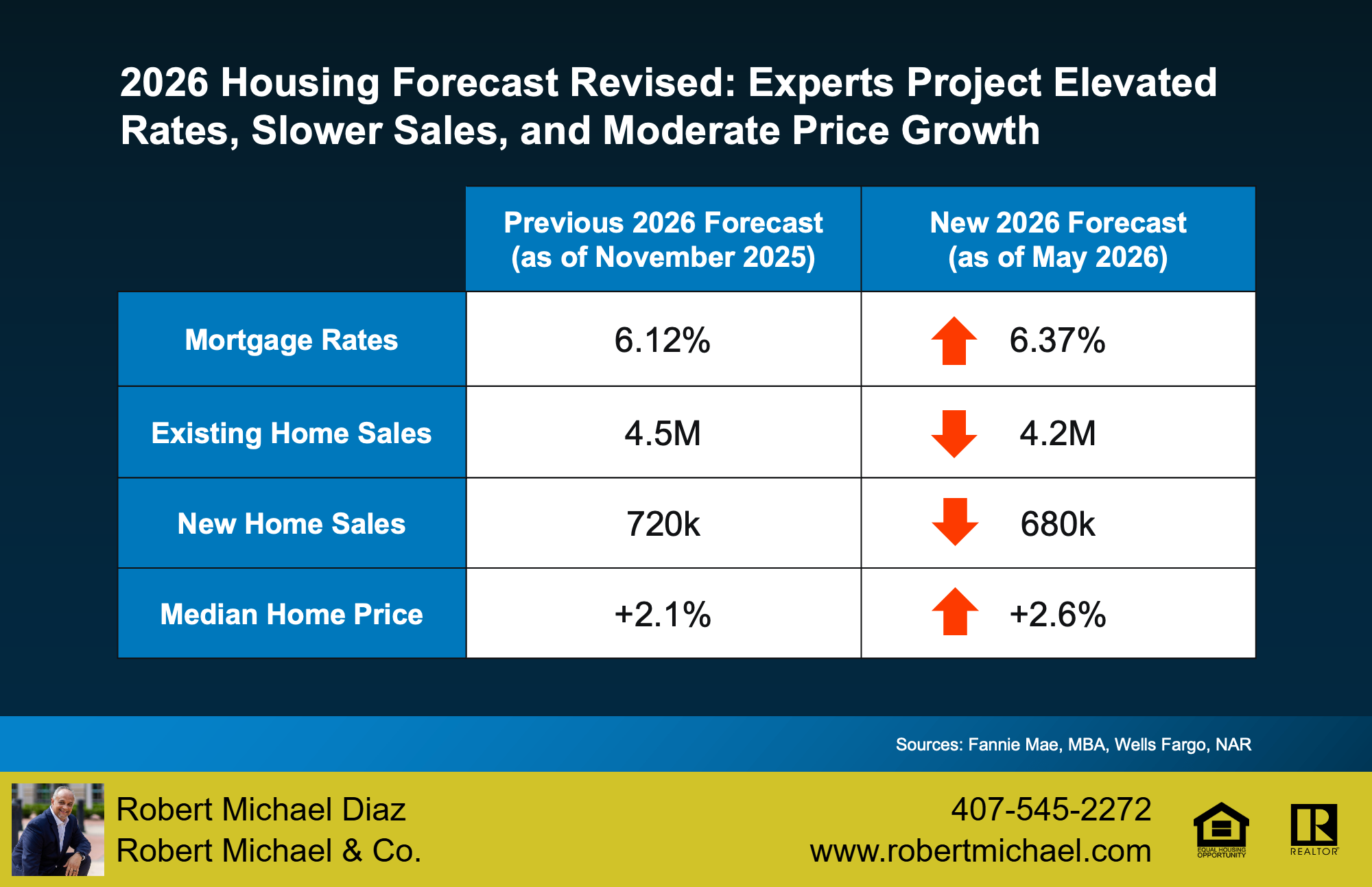
However, several factors have influenced updated projections:
1. Mortgage Rates Have Remained Elevated
While many experts expected significant rate reductions, mortgage rates have stayed higher than buyers hoped. Higher borrowing costs continue to impact affordability, causing some buyers to delay their home search or adjust their budgets.
2. Inventory Is Increasing
One of the biggest changes in today's market is the growing number of homes available for sale. More homeowners are deciding to list their properties, creating additional opportunities for buyers and reducing the intense competition seen in previous years. Increased inventory is helping move many markets toward a healthier balance between supply and demand.
3. Home Price Growth Is Slowing
Nationally, home prices continue to show resilience, but appreciation has moderated significantly. Instead of rapid year-over-year gains, many markets are seeing stable or modest price growth. This shift is giving buyers more confidence and reducing concerns about bidding wars.
4. Consumer Confidence Remains Mixed
Economic uncertainty, inflation concerns, and affordability challenges continue to influence buyer behavior. While demand remains present, today's buyers are more selective and cautious than they were just a few years ago.
What This Means for Home Buyers

For buyers, the current environment may offer some of the best opportunities seen in several years.
More Choices Available
As inventory increases, buyers have more homes to consider. Instead of rushing into decisions, many can take additional time to compare neighborhoods, home features, and pricing options.
Less Competition
Although desirable homes still attract attention, bidding wars have become less common in many markets. Buyers often have greater negotiating leverage regarding price, closing costs, and repair requests.
Potential Long-Term Benefits
Waiting for perfect market conditions can be risky. While mortgage rates may eventually decline, increased affordability could bring more buyers back into the market, creating additional competition.
For many Central Florida buyers, purchasing now and refinancing later may be a more effective strategy than trying to time the market perfectly.
What This Means for Home Sellers
The market still presents opportunities for sellers, but success requires a different approach than during the pandemic housing boom.
Accurate Pricing Matters More Than Ever
Today's buyers have options. Overpricing a property can result in longer days on market and price reductions later.
Sellers who price competitively from the beginning are often seeing stronger interest and better outcomes.
Presentation Is Critical
Professional photography, strategic marketing, home staging, and strong online visibility are becoming increasingly important.
Buyers are comparing more listings than they were a few years ago, making first impressions crucial.
Well-Maintained Homes Stand Out
Properties that are updated, move-in ready, and properly maintained continue to attract the most attention and often sell faster.
Orlando and Central Florida Housing Market Trends

While national trends provide useful context, real estate remains highly local.
Several factors continue to support housing demand throughout Orlando and Central Florida.
Population Growth Continues
Florida remains one of the nation's most popular destinations for relocation. Families, retirees, and remote workers continue moving to the region because of:
No state income tax
Warm climate
Employment growth
Lifestyle amenities
Expanding infrastructure
This ongoing population growth helps support housing demand even when national conditions soften.
Job Growth Supports Housing Demand
Major employers in healthcare, technology, tourism, aerospace, and logistics continue investing in the region.
Areas such as Lake Nona, Winter Garden, Clermont, Oviedo, and Sanford continue attracting new residents seeking employment opportunities and lifestyle advantages.
New Construction Is Expanding Options
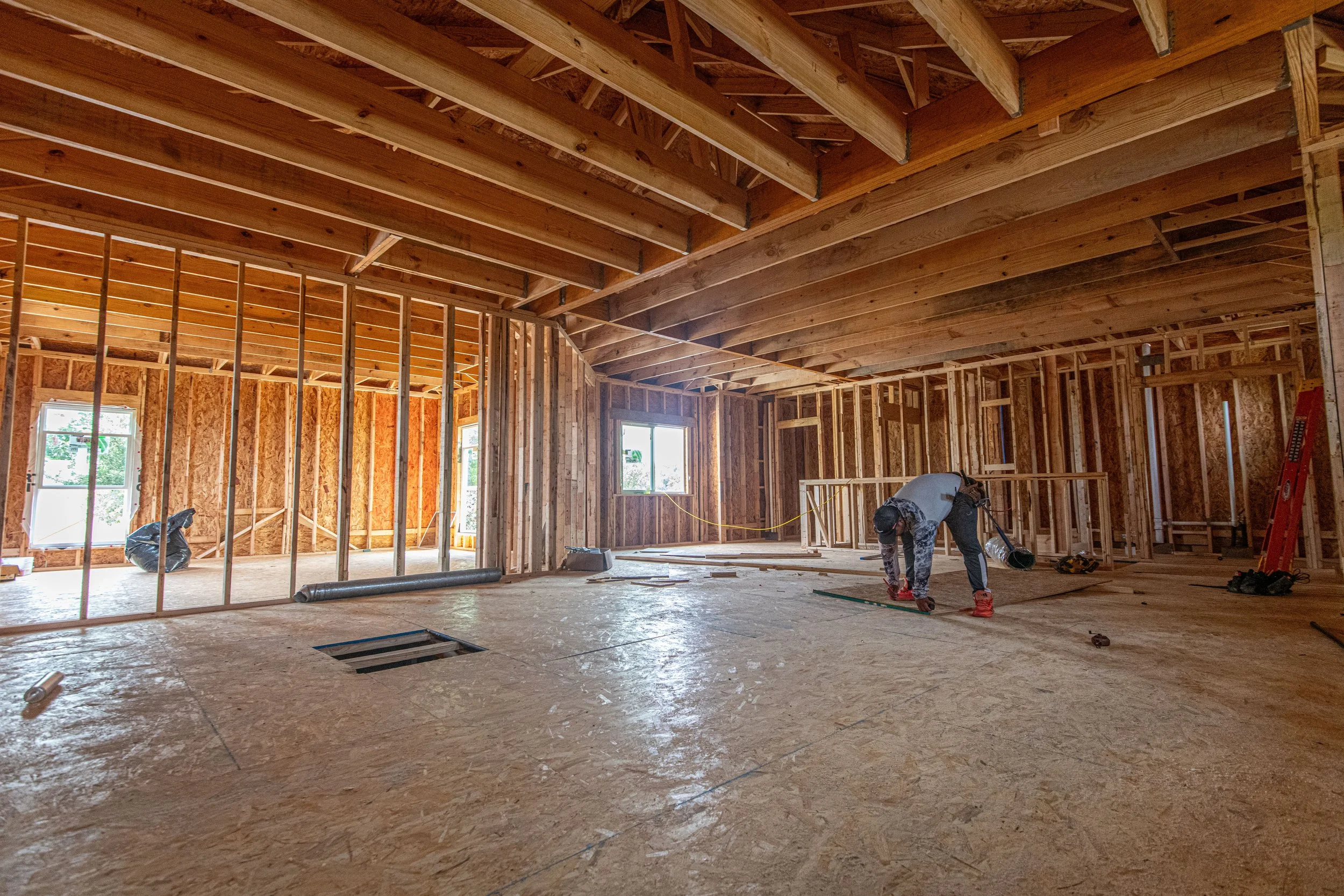
Builders across Central Florida have increased inventory in many communities. New construction homes often include incentives such as:
Mortgage rate buy-downs
Closing cost assistance
Appliance packages
Upgrade credits
These incentives can create attractive opportunities for buyers seeking affordability.
Will Home Prices Fall in Orlando?
One of the most common questions buyers ask is whether home prices will decline significantly.
While some neighborhoods may experience minor price adjustments, most experts do not anticipate a widespread housing crash. Several factors continue supporting values:
Limited long-term housing supply
Continued population growth
Strong employment markets
High replacement costs for new construction
Instead of dramatic price declines, a more likely scenario is slower appreciation and increased market balance.
Opportunities for Real Estate Investors
Investors should pay close attention to changing market dynamics.
Rising inventory and longer marketing times can create opportunities to negotiate favorable purchase terms. Additionally, Central Florida's population growth continues to support long-term rental demand.
Popular investor markets include:
Orlando
Kissimmee
Davenport
Winter Garden
Clermont
Sanford
Apopka
Investors focused on cash flow, location quality, and long-term appreciation may find attractive opportunities during the second half of 2026.
Key Housing Market Predictions for the Rest of 2026

Based on current trends, several themes are likely to define the remainder of the year:
Inventory Will Continue Rising
More listings should provide buyers with greater flexibility and negotiating power.
Home Prices Will Remain Relatively Stable
Price growth is expected to remain modest rather than experiencing dramatic increases or declines.
Buyers Will Gain More Leverage
Contract negotiations, inspection requests, and seller concessions may become increasingly common.
Orlando Will Continue Benefiting from Migration Trends
Population growth and economic development should continue supporting long-term housing demand throughout Central Florida.

Final Thoughts
The biggest story of the 2026 housing market isn't a crash or a boom—it's the transition toward balance.
Forecasts have shifted because the market is adjusting to higher borrowing costs, growing inventory, and changing buyer behavior. While affordability remains a challenge, many of the extreme conditions that defined the past few years are beginning to ease.
For Orlando and Central Florida residents, this creates opportunities on both sides of the transaction. Buyers have more choices and negotiating power, while sellers who price strategically and market effectively can still achieve strong results.
The second half of 2026 may ultimately be remembered as the period when the housing market became more predictable, more balanced, and more favorable for informed decision-making.