Orlando & Central Florida • Homeowner Planning Guide
The 10-Year Home Readiness Test: Renovate or Relocate in Orlando?
A smarter way to weigh safety, renovation costs, Florida property taxes, insurance, and your next chapter—before you make a major housing decision.
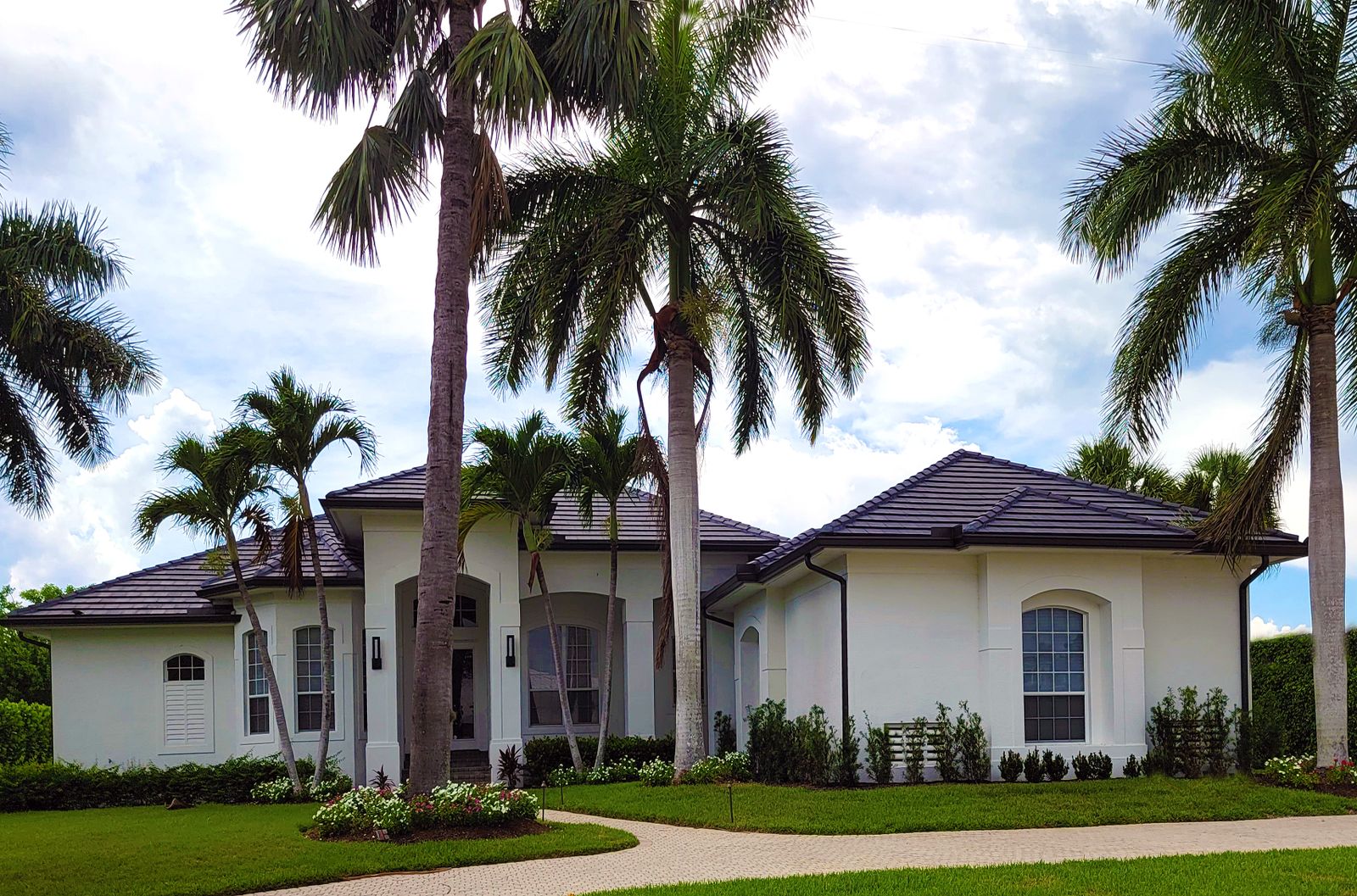
Illustrative Florida-style property photograph by Christopher Moon / Pexels; not a Robert Michael & Co. listing.
It's easy to picture growing older in the home you love. It's harder to picture how that same home will work if the stairs become uncomfortable, the backyard becomes a burden, or the next roof replacement arrives during retirement. These questions matter throughout Orlando, Winter Park, Kissimmee, Clermont, and the surrounding Central Florida communities.
Instead of asking only “Should I stay or should I sell?”, try a more useful question: “Is this home prepared to support the life I want for the next 10 years?” That's the starting point for this practical home-readiness test—an assessment of the property, your everyday routines, and the numbers behind both choices.
The bigger picture
Most Homeowners Want to Stay. Not Every Home Is Ready.
According to AARP's Home and Community Preferences research, many Americans age 50 and older prefer to remain in familiar surroundings. Yet a substantial share also foresee moving. The practical issue isn't simply attachment to a home; it's whether the home and neighborhood can continue meeting changing needs.
National survey data from AARP Research; not projections specific to Orlando.
What makes this guide different?
Rather than repeating the usual “stay versus sell” arguments, we'll look at four things you can actually evaluate: home accessibility, deferred maintenance, five-year ownership costs, and neighborhood convenience. Together, they can reveal whether a modest remodel is enough—or whether another home would serve you better.
Step 1 • Walk the property
A Practical Home-Readiness Checklist
Go through your home as though you were looking at it for the first time. For each item below, decide whether it already works, needs a manageable upgrade, or would require an expensive structural change. A qualified contractor or occupational therapist can help with the more technical issues.
Entry and access
Are there steps at the front entry, uneven walkways, poor exterior lighting, or difficult door thresholds?
Daily living on one level
Can you reach the bedroom, bathroom, kitchen, and laundry without relying on stairs?
Bathroom safety
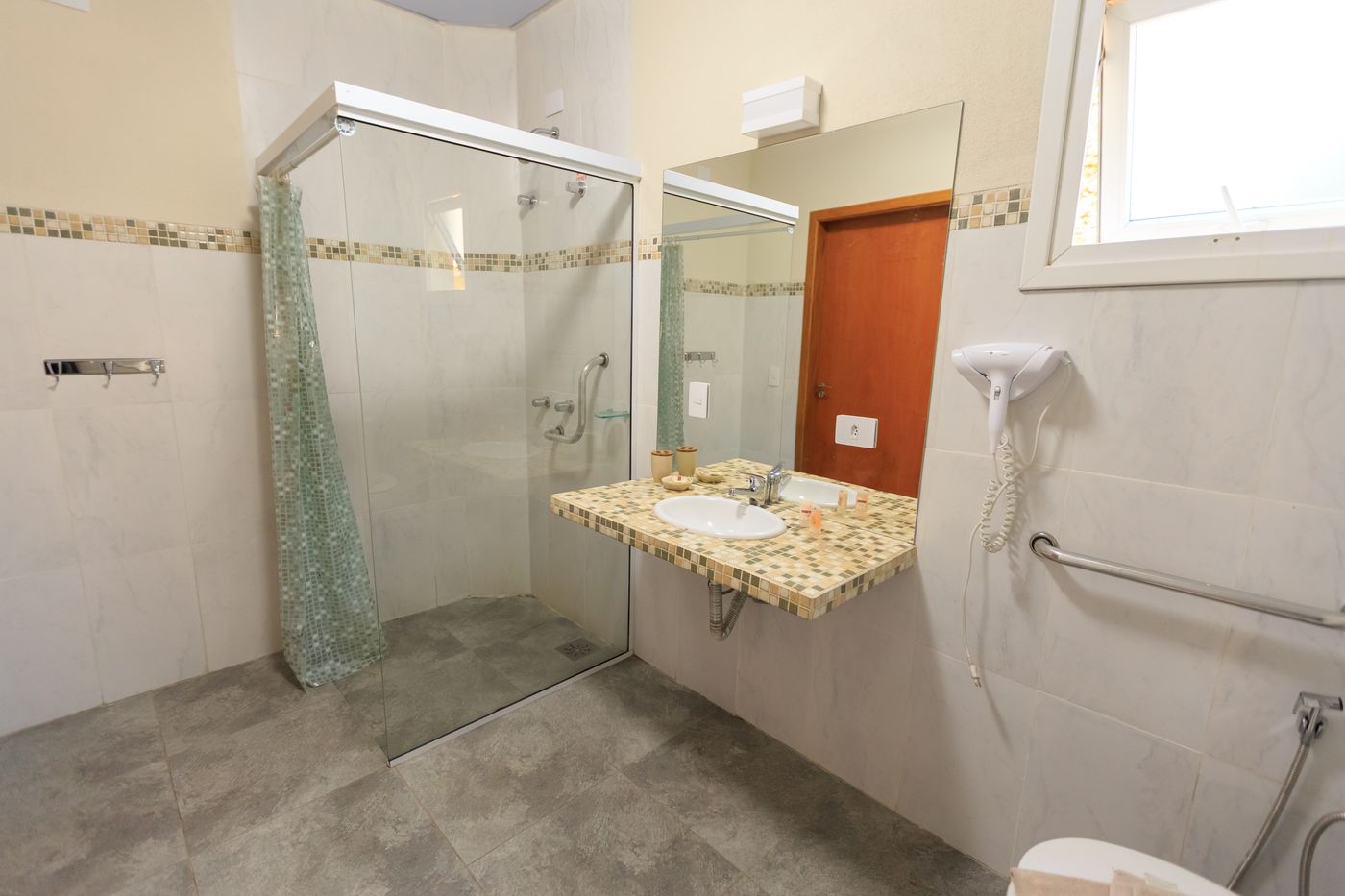
Is there a low-threshold shower? Could grab bars and nonslip surfaces be installed properly?
Kitchen usability
Are frequently used items within easy reach? Would pull-out shelving and lighting make tasks simpler?
Flooring and circulation
Could loose rugs, tight turns, narrow doorways, or uneven floor levels become obstacles?
Exterior upkeep
How much time and money do the lawn, pool, roof, gutters, trees, and outdoor areas require?
Storm resilience
Are the roof, drainage, shutters, insurance coverage, and emergency plan appropriate for this property?
Location and support
Can you conveniently reach groceries, healthcare, family, social activities, and transportation options?
The AARP HomeFit Guide offers additional room-by-room ideas. This planning exercise also has a safety purpose: the CDC reported in September 2026 that more than 14 million older adults report falling each year.
The renovation tipping point
Replacing a tub, improving lighting, or installing professionally secured grab bars may be practical. Rebuilding a staircase arrangement, moving a primary bedroom to another floor, or significantly altering load-bearing walls is a much larger project. Ask for written estimates before deciding that renovation is automatically cheaper than relocating.
Step 2 • Follow the money
Calculate the Five-Year Cost—Not Just the Renovation Price
Florida ownership costs can be easy to underestimate. In Central Florida, frequent air-conditioning use, heavy summer rain, hurricane exposure, landscaping, and insurance expenses all deserve attention. A new bathroom may solve a convenience problem while leaving several larger maintenance bills ahead.
Build two scenarios with real numbers from contractor bids, insurance quotes, property records, and a current home valuation. Include the costs below—then compare what remains in savings or home equity after five years.
If You Renovate
- Accessibility and layout upgrades
- Roof, HVAC, plumbing, and exterior repairs
- Five years of taxes and insurance
- Utilities, lawn, pool, and maintenance costs
- Potential financing or renovation-loan interest
If You Relocate
- Current property's estimated net sale proceeds
- Purchase price and buyer closing costs
- New financing and mortgage payment
- Moving costs and immediate modifications
- Taxes, insurance, HOA fees, and maintenance
Be careful with comparisons: selling costs and purchasing a new home change your equity position, whereas maintaining your current home may preserve a favorable existing mortgage. A smaller property's monthly expenses are not automatically lower. If you're comparing condominiums, monthly fees and potential assessments belong in the calculation too.
One useful question
“If I spend this renovation budget today, will the property still meet my needs five years from now—and will I be comfortable paying for everything else it requires?”
Step 3 • Know your market
What September 2026 Orlando Housing Data Tells Us
Before comparing renovation and replacement costs, look at the actual conditions in the market where you would sell and buy. The latest Orlando Regional REALTOR® Association September 2026 housing report offers a useful snapshot of the region.
| Indicator | September 2026 | Why it matters |
|---|---|---|
| Overall median sale price | $399,610 | A regional benchmark, not a valuation of your home |
| Homes in inventory | 12,464 | Indicates the breadth of available choices |
| Average days on market | 66 | Useful for building a realistic moving timeline |
| Single-family median sale price | $432,360 | One benchmark for detached replacement homes |
| Condo/townhouse median sale price | $291,027 | Shows why comparing housing types matters |
Source: ORRA September 2026 Market Narrative. Data available as of October 8, 2026; figures may be revised. These are regional sales statistics, not City of Orlando-only statistics or estimates for any particular property.
The takeaway is not that every homeowner should move. Instead, current inventory may give buyers opportunities to compare floor plans, neighborhoods, and costs more carefully. A property-specific market analysis remains essential: a one-story home in Clermont is not priced or marketed the same way as a condo in downtown Orlando.
If you're researching houses for sale Central Florida or speaking with real estate agents in Central Florida, ask for searches that prioritize functional features—single-story layouts, low-step entries, walk-in showers, manageable yards, and convenient locations—not simply bedroom count.
Step 4 • Look beyond the listing price
Three Florida-Specific Details That Can Change Your Decision
1. Your homestead assessment benefit may be portable
Longtime homeowners sometimes avoid moving because their property tax assessment benefits are valuable. Florida's Save Our Homes rules can limit increases in assessed value on qualifying homesteads, and eligible homeowners may be able to transfer part or all of their accumulated assessment difference to a new Florida homestead. That process is called portability—and it is not identical to transferring the homestead exemption itself. Review the Florida Department of Revenue guidance and speak with your county property appraiser about eligibility and deadlines.
2. A condo's association documents can be as important as its price
A condominium may reduce some exterior maintenance responsibilities, but association budgets, reserve funding, insurance, and special assessments can affect long-term affordability. Under Florida rules, qualifying residential condominium buildings of three habitable stories or more generally require structural integrity reserve studies. The Florida DBPR condominium FAQ explains the requirements and exceptions. Review current documents before relying on a low asking price or advertised monthly HOA fee.
3. The right location can be a form of independence
Across Orange, Seminole, Osceola, and Lake counties, daily life can look very different from one community to the next. Consider proximity to medical appointments, family, pharmacies, groceries, and recreational activities. Transportation and reliable local services can matter as much as a wide hallway or remodeled bathroom.

Helpful local contacts
Orlando and Central Florida Resources Worth Checking
Not every home improvement needs to be paid for without assistance. Depending on income, location, housing type, and funding availability, homeowners may have access to local rehabilitation programs.
City of Orlando rehabilitation assistance
The City of Orlando Housing Rehabilitation Program describes potential grants of up to $20,000 for qualifying homeowners, with assistance above that level generally structured as deferred loans with lien conditions. Eligibility is limited to qualifying homes inside city limits; an Orlando mailing address alone does not establish eligibility.
Orange County residents: The county's Owner-Occupied Rehabilitation Program announced a temporary closure to new applications effective September 21, 2026, with an anticipated reopening around January 18, 2027. Confirm its status before planning on assistance.
Aging and caregiver support: Senior Resource Alliance's Elder Helpline helps residents locate aging, disability, caregiver, and independent-living resources. Call 1-800-963-5337 for information and referrals.
Also review your homeowners insurance, storm preparation, and whether additional flood coverage is appropriate. The FEMA flood insurance overview explains why flood protection is a separate consideration from standard homeowners coverage.
The decision framework
When Renovating Wins—and When Relocating Deserves a Serious Look
Renovating may be the stronger option when your home already has a workable one-level layout, required improvements are modest, your neighborhood supports your daily life, and the expected five-year expenses remain comfortable. Your existing mortgage and Florida homestead assessment benefits may also weigh in favor of staying.
Relocating may be more practical when major structural changes are required, large maintenance bills are approaching, or your preferred lifestyle involves a smaller lot, fewer stairs, or being closer to services and family. If you have substantial equity, selling may create an opportunity to purchase a more suitable property.
Preparing without rushing is a legitimate third option. You might improve lighting or bathroom safety now, obtain contractor estimates, and track the market while deciding on a longer-term plan. Good preparation reduces the chance that an urgent repair or sudden change forces an unwanted move.
A useful way to begin
Gather four documents: your current mortgage statement, homeowners insurance renewal, recent property tax bill, and written renovation estimates. Then compare them with a current market valuation and realistic replacement-home costs. Those facts are more valuable than a generic online downsizing calculator.
Frequently asked questions
Questions Central Florida Homeowners Ask
How do I know whether aging-in-place renovations are worth the money?
Compare written renovation bids against your anticipated time in the home and the benefit each improvement delivers. Include looming roof, HVAC, and insurance expenses. Specialized improvements should be selected for safety and usefulness first—not on an assumption of a dollar-for-dollar resale return.
Does downsizing always lower the monthly payment?
No. A less expensive or smaller home may carry higher mortgage interest, updated property taxes, HOA fees, or insurance premiums. Compare full monthly and five-year costs before deciding.
Can Robert Michael help even if I haven't decided to sell?
Yes. Central Florida realtor Robert Michael can help you understand the potential value of your existing property, estimated sale proceeds, and available replacement-home options. The goal is to make an informed decision—not to pressure you into listing.
For a broader discussion of retirement housing choices, see our earlier article: Stay or Sell Your Home as You Age? This guide adds a more specific property-readiness and financial framework.