Stay or Sell Your Home as You Age? A Complete 2026 Guide for Central Florida Homeowners

Introduction: A Decision That Shapes Your Future
Deciding whether to stay or sell your home as you age? Learn the pros, cons, and smart strategies for Central Florida homeowners in 2026—plus expert insights to maximize your next move.
For many homeowners approaching retirement, the question isn’t just about real estate—it’s about lifestyle, finances, health, and family. Should you stay in the home you’ve built memories in, or sell and move somewhere more practical?
In 2026, this decision has become even more complex. Rising home values, insurance costs, and shifting buyer demand mean there’s no one-size-fits-all answer. And in Central Florida, where population growth and retirement migration remain strong, the stakes are even higher.
This guide breaks down how to evaluate your options clearly, avoid common mistakes, and make the best decision for your next chapter.
Why This Decision Matters More Than Ever
The housing market has changed. While some homes still sell quickly, buyers today are far more selective—favoring updated, move-in-ready properties and realistic pricing.
At the same time, many older homeowners underestimate the true cost of staying in their homes long-term—especially when maintenance, accessibility upgrades, and care needs increase.
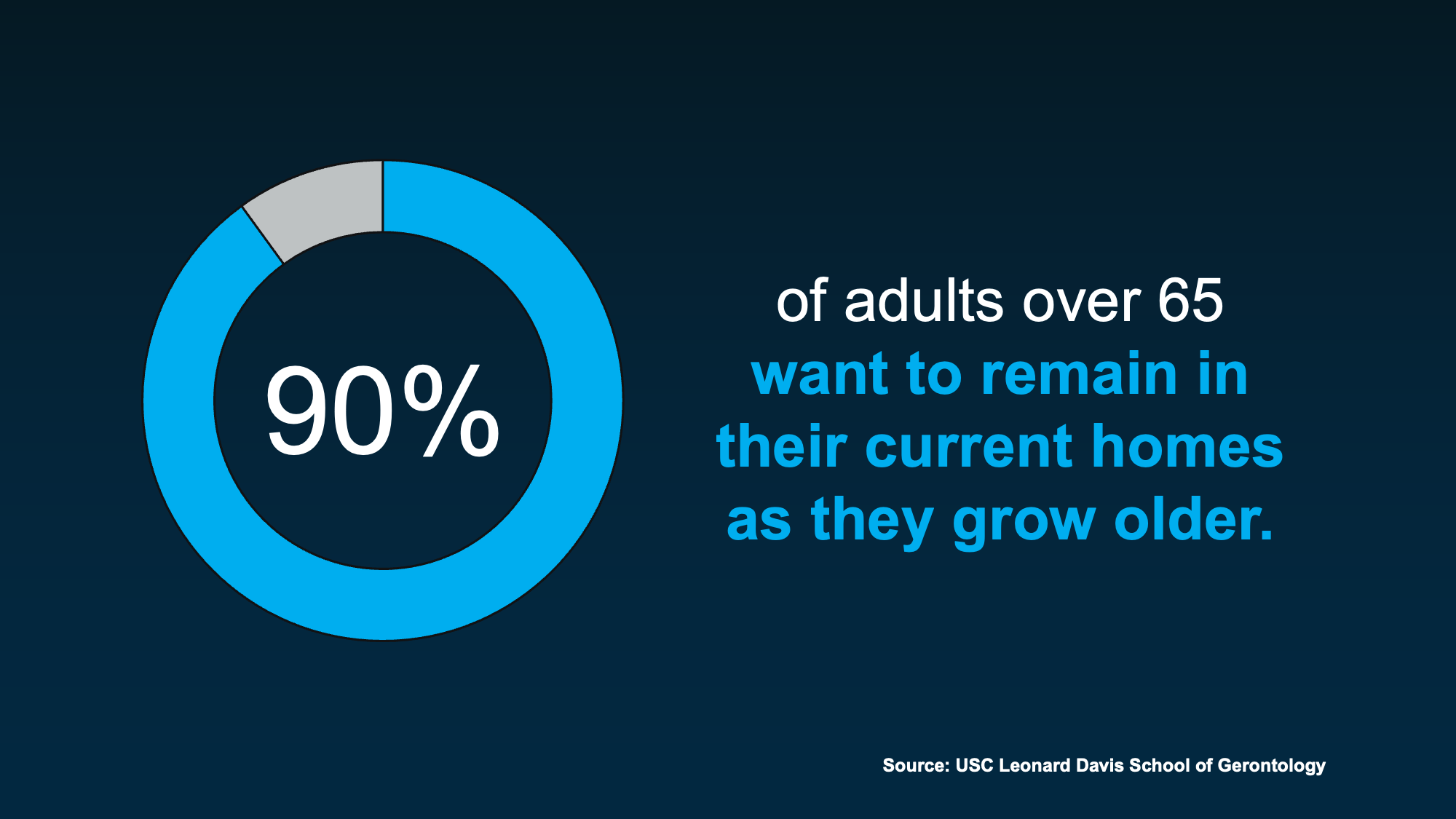
The USC Leonard Davis School of Gerontology found about 90% of adults over 65 prefer to stay in their homes as they get older (see below):
That means your decision isn’t just emotional—it’s financial strategy.
Option 1: Staying in Your Home (Aging in Place)

The Benefits of Staying
Remaining in your home offers something money can’t buy: familiarity.
Many homeowners choose to stay because:
They’re emotionally attached to their home
They want stability and independence
Their mortgage may already be paid off
In Central Florida, staying can also mean continuing to enjoy:
Warm weather year-round
Established social networks
Proximity to family or community
The Hidden Costs Most People Miss
However, staying isn’t always as affordable as it seems.
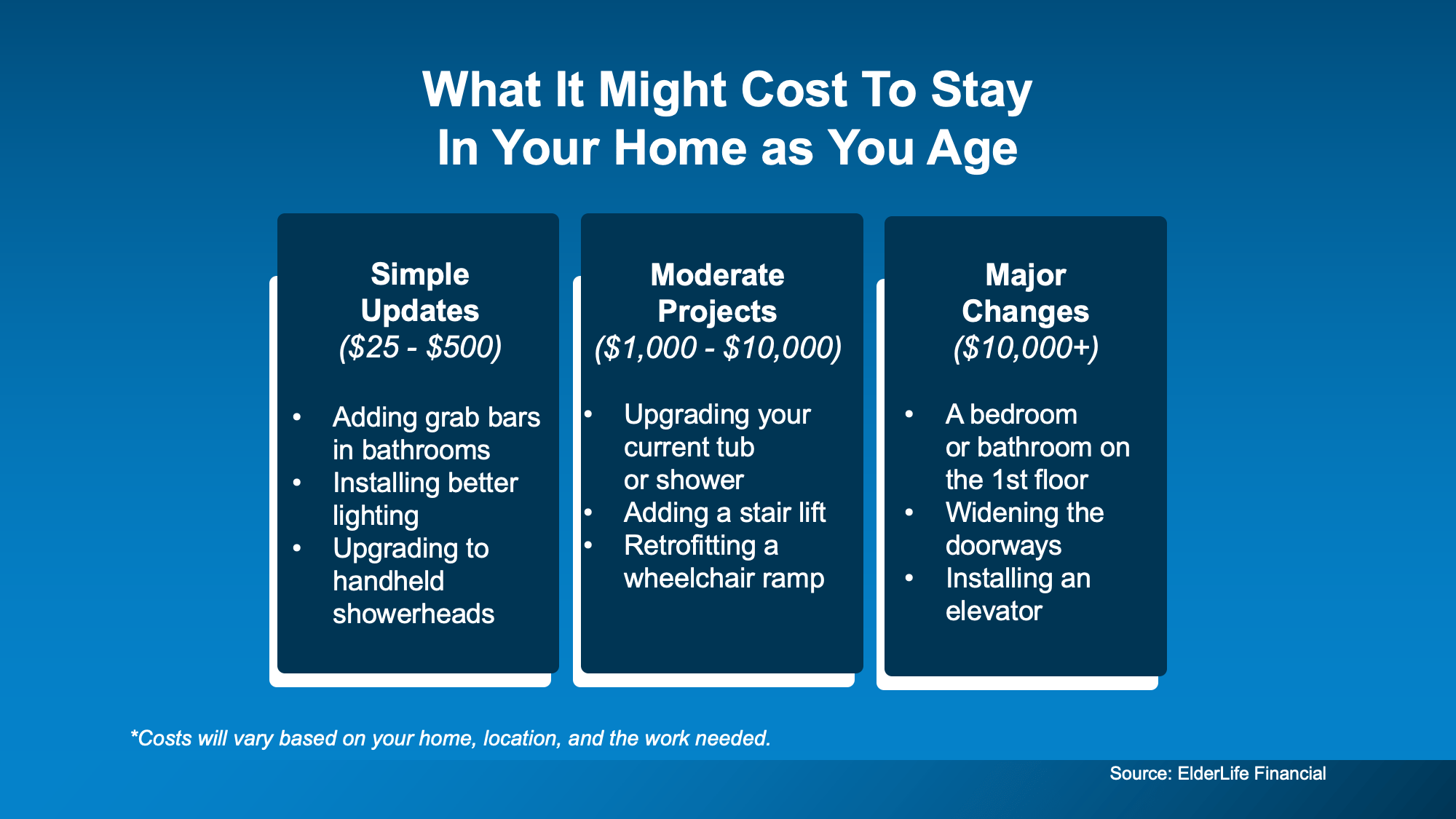
According to ElderLife Financial, here's a rough baseline of what it could cost depending on what needs to be done (see below):
Common overlooked expenses include:
Home modifications (ramps, walk-in showers, stairlifts)
Rising property insurance—especially in Florida
Maintenance (roofing, HVAC, landscaping)
In-home care or assistance
Some estimates suggest in-home care alone can reach six figures annually, depending on needs.
Key takeaway: Staying works best when your home is already safe, manageable, and financially sustainable long-term.
Option 2: Selling and Moving
Why Many Homeowners Choose to Sell

Selling can unlock equity and simplify your life.
Homeowners often sell to:
Reduce maintenance responsibilities
Move closer to family
Access healthcare or senior-friendly communities
Free up cash for retirement
Florida remains one of the top retirement destinations due to tax advantages and lifestyle appeal, which helps keep demand strong.
The Downsizing Myth
Interestingly, many retirees don’t actually downsize as much as expected. Some buy similar-sized homes or prioritize comfort over minimalism.
That means your move should be intentional—not just smaller, but smarter.
Central Florida Market Insights (2026)
What Sellers Need to Know Locally
Central Florida—including areas like Orlando, Tampa, and surrounding suburbs—has unique trends:
1. Move-In Ready Homes Win
Buyers are avoiding fixer-uppers due to renovation costs and insurance concerns.
2. Pricing Matters More Than Ever
Overpricing leads to longer time on market, while realistic pricing attracts faster offers.
3. Inventory Is Rising
More listings mean more competition—especially for older homes needing updates.
Mistakes Older Sellers Should Avoid
Selling later in life comes with unique challenges. Research shows older homeowners often receive lower sale prices due to avoidable issues.
Common Pitfalls:
Selling off-market instead of listing widely
Skipping small updates (paint, landscaping)
Accepting the first offer without comparison
Not involving family or advisors
In some cases, sellers over 70 can lose significant value simply by not optimizing their sale strategy.
A Smarter Framework: How to Decide
Instead of guessing, use this 4-factor framework:
1. Financial Reality
Can you comfortably afford maintenance, insurance, and care?
Would selling improve your retirement cash flow?
2. Lifestyle Needs
Is your home easy to navigate as you age?
Are you close to healthcare and support systems?
3. Market Timing
Is your home in demand (updated, well-located)?
Would waiting increase or decrease your equity?
4. Emotional Readiness
Are you prepared for change?
Or would moving create unnecessary stress?
When Staying Makes the Most Sense
You should strongly consider staying if:
Your home is already updated and accessible
You have strong local support (family, neighbors)
Your ongoing costs are predictable and manageable
You value stability over flexibility
When Selling Is the Better Move
Selling may be the smarter option if:
Your home requires major repairs or upgrades
Insurance and maintenance costs are rising sharply
You want to simplify your lifestyle
You can leverage equity for a better living situation
Strategic Tips for Central Florida Sellers
1. Focus on High-Impact Updates
Small improvements—like paint, landscaping, and lighting—can significantly increase appeal without major expense.
2. Price for Today’s Market
Don’t anchor to past peak values. Buyers are more cautious now.
3. Prepare for Insurance Questions
Buyers in Florida are highly sensitive to:
Roof age
Flood zones
Wind mitigation features
4. Work With a Local Expert
A knowledgeable Central Florida agent can:
Price accurately
Market effectively
Avoid common senior seller pitfalls
Final Thoughts: There’s No Universal Answer
The decision to stay or sell isn’t just about your house—it’s about your future.
Some homeowners thrive aging in place with the right preparation. Others find freedom, financial flexibility, and peace of mind by selling and moving.
The key is making a proactive, informed decision—not waiting until circumstances force your hand.
Bottom Line
If you’re a Central Florida homeowner approaching retirement, now is the time to evaluate your options carefully. The right choice isn’t about what others are doing—it’s about what supports your lifestyle, finances, and long-term goals.