Orlando Home Prices in 2026: Is Price Growth Starting To Change Again?
For the past couple of years, one of the biggest questions surrounding real estate has been simple: Where are home prices headed next?

After the rapid appreciation that followed the pandemic-era housing boom, price growth across the country slowed considerably. Higher mortgage rates affected affordability, buyers became more selective, and growing inventory gave home shoppers more choices.
Now, national housing data shows that home prices are still growing overall, but at a much slower and potentially more sustainable pace than during the extraordinary appreciation seen earlier in the decade.
According to the Federal Housing Finance Agency's Q2 2026 House Price Index , U.S. home prices increased 2.1% between the second quarter of 2025 and the second quarter of 2026. Prices also increased 0.3% from the first quarter to the second quarter of 2026.
That does not mean every city, neighborhood, or property type is appreciating at the same rate.
In fact, Orlando provides a perfect example of why national housing headlines require local context.
Orlando's Housing Market Is Moving Differently Than the National Market
The latest data from the Orlando Regional REALTOR® Association shows a market that has moved closer to balance.
In August 2026, the Orlando area's median home price was $400,676, compared with $410,494 in July and $403,222 in August 2025.
That represents a month-to-month decline of approximately 2.4% and a slight decline compared with the same period one year earlier.
At first glance, someone could look at those numbers and assume Orlando home values are heading sharply downward.
But that conclusion would ignore several important pieces of the Central Florida real estate market.
This means Central Florida buyers have substantially more choices than they had during the extreme seller's markets of previous years, but the region is not necessarily experiencing massive oversupply.
That's an important distinction for both buyers and sellers.
Slower Price Growth Doesn't Automatically Mean Falling Home Values
Real estate markets rarely move in a perfectly straight line.
Home prices can increase quickly, flatten, move sideways for several months, decline slightly, and then begin increasing again.
Seasonal trends can also influence monthly median prices because the mix of homes being sold changes throughout the year.
That's why looking at only one month's median sale price can create an incomplete picture of the market.
Nationally, the FHFA May 2026 House Price Index showed home prices increasing year-over-year, reinforcing the idea that nationwide appreciation has moderated rather than disappeared completely.
A recent article from Keeping Current Matters also discussed how national home-price growth has slowed and why that trend may begin changing as market conditions evolve.
For a Central Florida homeowner, the most useful question is not simply "Are national home prices going up?" The better question is: "What are buyers currently willing to pay for homes like mine in my specific neighborhood and price range?"
Orlando Buyers Have More Negotiating Power Than They Did During the Boom
The Orlando real estate market has changed considerably from the days when buyers routinely encountered multiple offers almost immediately after a property was listed.
According to Orlando Regional REALTOR® Association market data, homes spent an average of approximately 64 days on the market during August 2026.
During the same period, buyers had thousands of active properties from which to choose.
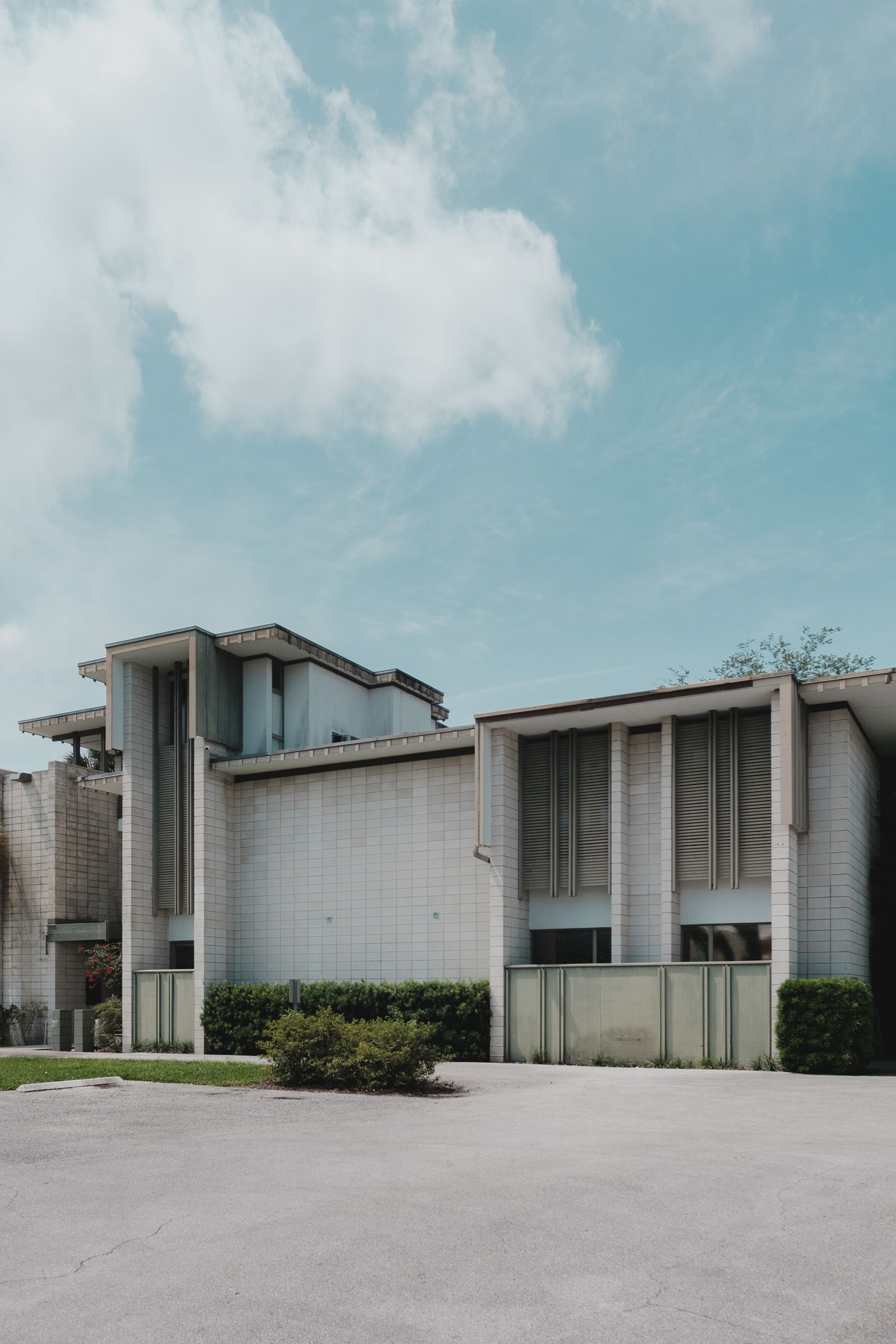
For buyers, additional inventory can create negotiating opportunities. Instead of feeling pressured to purchase the first acceptable property that becomes available, buyers can compare multiple homes.
That also places greater importance on factors such as:
- Property condition and recent renovations
- Roof age and remaining useful life
- HVAC age and condition
- Homeowners insurance costs
- HOA and condominium fees
- Property taxes
- Location and neighborhood demand
- Seller motivation
- Available seller concessions
- Comparable recent sales
For someone researching houses for sale central florida, looking only at the asking price isn't enough anymore.
Two homes listed at $450,000 can represent very different values once insurance costs, HOA fees, repairs, financing, property taxes, location, and seller concessions are considered.
Mortgage Rates Remain One of the Biggest Factors Affecting Buyers
Home prices are only one side of affordability.
Financing remains equally important.
As of September 17, 2026, Freddie Mac's Primary Mortgage Market Survey reported an average U.S. 30-year fixed mortgage rate of approximately 6.95%.
Mortgage rates can change frequently, and an individual buyer's actual interest rate depends on credit profile, loan program, down payment, discount points, debt-to-income ratio, and other factors.
But the broader issue remains important: at today's home prices, even a relatively small change in mortgage rates can significantly affect a buyer's monthly payment and purchasing power.
That's one reason buyers should be careful about basing their entire strategy on trying to predict the lowest possible mortgage rate.
A better approach is often to understand what you can comfortably afford today, analyze the value of the property carefully, and determine whether the overall transaction makes financial sense for your circumstances.
What Orlando Sellers Need To Understand About the 2026 Market
For sellers, today's Central Florida housing market requires a different strategy than the market of several years ago.
Simply placing a property on the MLS at an aggressive asking price and waiting for buyers to compete over it may not produce the desired result.
Today's buyers can see competing inventory almost instantly.
If three comparable homes are available at $425,000, $435,000 and $449,000, the property listed at $449,000 needs to provide buyers with a clear reason to pay the premium.
That advantage might be:
- A newer roof
- An updated kitchen
- A renovated interior
- A larger homesite
- A swimming pool
- A premium view
- A superior location
- Lower HOA expenses
- Better overall property condition
Otherwise, buyers may simply move on to another property.
Once a home accumulates substantial days on market, buyers often begin asking:
That change in buyer psychology can weaken the seller's negotiating position.
This is one reason proper pricing from the beginning remains one of the most important components of a successful home-selling strategy.
Central Florida Is Really a Collection of Smaller Real Estate Markets
One of the biggest mistakes buyers and sellers can make is treating "Orlando" as one single housing market.
It isn't.
The market for a single-family home in Lake Nona can behave very differently from the market for a condominium near International Drive.
Winter Garden may experience different buyer demand than Kissimmee. St. Cloud can behave differently from Clermont. Davenport, Hunters Creek, Windermere, Altamonte Springs, and Downtown Orlando can each have different inventory levels, buyer demand, price points, and negotiating conditions.

Even neighborhoods only a few miles apart can perform differently.
That's why experienced real estate agents in central florida should analyze neighborhood-level comparable sales rather than relying entirely on national forecasts or automated home-value estimates.
An automated valuation may provide a starting point.
A professional comparative market analysis should go much deeper.
More Inventory Can Actually Help Create a Healthier Housing Market
Increasing inventory is sometimes portrayed negatively in real estate headlines.
But additional inventory isn't necessarily bad.
For years, many buyers had almost no selection. Properties were selling so quickly that buyers sometimes had to make major financial decisions within hours.
A healthier market gives buyers more time to compare properties and make informed decisions.
It also encourages sellers to compete on condition, presentation, marketing, and price.
Orlando's approximately 4.9 months of housing supply in August 2026 suggests that the market has moved considerably closer to balance while remaining below the approximately six-month level often associated with a balanced market.
That type of environment can benefit serious buyers and realistic sellers at the same time.
Could Orlando Home Prices Start Growing Faster Again?
It's possible, but several factors should be monitored closely.
Home-price direction over the coming months will depend heavily on the relationship between buyer demand and the number of homes available for sale.
Mortgage rates will also remain important.
If borrowing costs decline meaningfully, some buyers who have been waiting could return to the market. If inventory does not increase at the same pace, greater competition could place upward pressure on prices.
The opposite can also happen.
If affordability remains difficult while inventory continues increasing, buyers could maintain stronger negotiating leverage.
Important Central Florida Market Indicators To Watch
- Active housing inventory
- New listings
- Pending home sales
- Closed sales
- Average days on market
- Mortgage rates
- Price reductions
- Seller concessions
- Recent neighborhood comparable sales
Together, those indicators provide a more complete picture than any single national housing headline.
Should You Buy a Central Florida Home Now or Wait?
There isn't one answer that applies to every buyer.
If you plan to own a property for several years, have stable finances, find a home you genuinely want, and can comfortably handle the payment, today's additional inventory may give you opportunities that were difficult to find during the peak seller's market.
Buyers should still remain selective.
Don't purchase a property simply because someone predicts prices will rise.
Analyze the actual property. Compare recent sales. Understand insurance costs, HOA expenses, property taxes, and financing. Have the home professionally inspected and make sure the numbers work for your household.
Should You Sell Your Orlando Home Now?
The same principle applies to homeowners considering selling.
Whether now is the appropriate time to sell depends on your objectives, equity position, property condition, neighborhood inventory, and competition.
A properly priced and well-presented home can still attract motivated buyers.
But today's Central Florida market generally rewards sellers who understand their competition and position their property correctly from the beginning.
The first few weeks of market exposure are especially important because that's when a listing is newest and most likely to attract the attention of active buyers.
Overpricing during that period can mean missing one of the property's strongest marketing opportunities.
Local Knowledge Matters More as the Market Becomes More Balanced
When nearly every property receives multiple offers, selling may appear relatively straightforward.
A balanced or transitional market requires substantially more analysis.
Buyers need someone who understands value, property condition, neighborhood trends, and negotiation.
Sellers need someone who understands pricing, competition, marketing, presentation, and buyer behavior.
If you've been searching online for central florida realtor robert, Robert Michael, real estate agents in central florida, or houses for sale central florida, the most useful next step isn't another national housing forecast.
It's examining the numbers for the specific property and neighborhood you're considering.
National housing trends provide valuable perspective, but real estate remains intensely local.
The Bottom Line for the Central Florida Housing Market
The housing market isn't experiencing the extraordinary price acceleration seen earlier in the decade, but current national data also doesn't suggest that home values are universally collapsing.
Nationally, FHFA data continues to show modest year-over-year home-price appreciation.
Locally, Orlando's August 2026 market statistics show a more nuanced picture: median prices have softened slightly, buyers have more inventory, homes are taking longer to sell, and the market continues moving toward greater balance.
For buyers, that can mean more choices and greater opportunities to negotiate.
For sellers, it means pricing, condition, presentation, and marketing matter more than ever.
For both sides, smarter decisions come from understanding what is happening right now in the specific Central Florida neighborhood where you're considering buying or selling.
Thinking About Buying or Selling in Central Florida?
Connect with Robert Michael for a personalized Central Florida market analysis, home-value review, or property search.
Whether you're comparing neighborhoods, determining the right listing price, or searching for your next Orlando-area home, current local data can help you make a more informed real estate decision.
Contact Robert MichaelSources
Federal Housing Finance Agency:
FHFA Q2 2026 House Price Index
Orlando Regional REALTOR® Association:
Orlando Housing Market Statistics
Freddie Mac:
Primary Mortgage Market Survey
Keeping Current Matters:
Home Price Growth Slowed Down. That May Be Changing.