Orlando Condos & Townhomes: A Smarter Way to Buy a Home
Explore Orlando condos and townhomes with Robert Michael & Co. Learn how attached homes can lower your entry price, plus HOA, financing, and Florida condo tips.
For many buyers in Central Florida, the biggest challenge today is not finding a home they like. It is finding a home that fits comfortably within their monthly budget.
A buyer may begin searching for a traditional single-family home with a garage, private yard, and plenty of space, only to discover that the combination of purchase price, mortgage rate, insurance, taxes, and maintenance pushes the monthly payment higher than expected.
That does not necessarily mean homeownership has to be put on hold.
In Orlando and throughout Central Florida, condos and townhomes can create another path into homeownership, particularly for first-time buyers, downsizers, professionals, veterans, and buyers who place location above having a large yard.
And the difference in price can be significant.
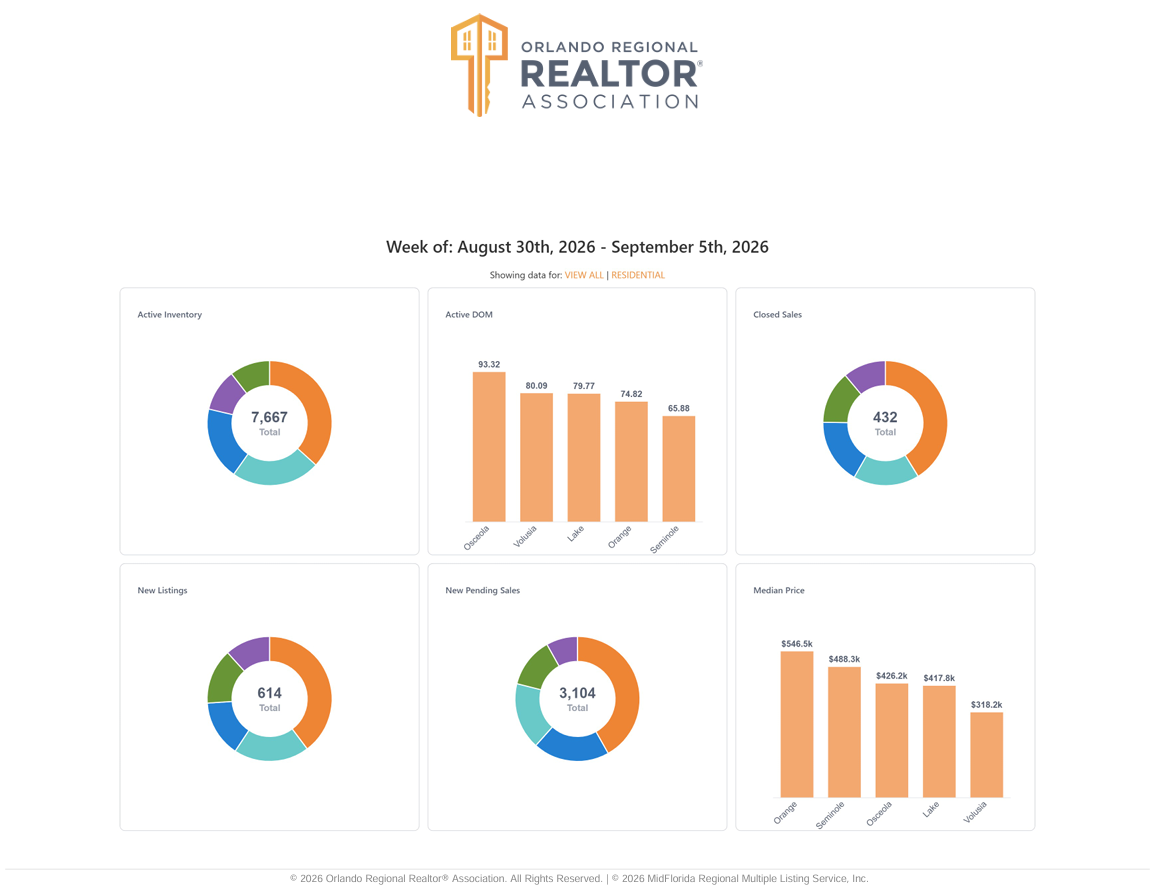
According to the Orlando Regional REALTOR® Association's July 2026 housing market report, the median sale price for a single-family home was $446,375, while the median price for condos and townhouses was $299,911. That represents a difference of more than $146,000. You can review the local market statistics directly through the Orlando Regional REALTOR® Association housing market report.
For buyers who assumed their only choice was to keep renting or wait several more years, that price gap deserves a closer look.
The Orlando Market Is Giving Buyers More Choices
Central Florida is no longer operating under the extreme market conditions buyers experienced a few years ago, when properties could receive multiple offers almost immediately.
ORRA reported 12,043 homes in inventory in July 2026, with approximately 4.4 months of supply. Homes were also spending an average of 64 days on the market. Those numbers do not make Orlando a full buyer's market, but they do indicate that buyers have more breathing room than they did during the most competitive years.
More importantly, ORRA reported that 68% of surveyed local REALTORS® were seeing more seller concessions than the previous year. That can create opportunities to negotiate closing-cost contributions, rate-buydown assistance, repairs, or other terms depending on the particular property and seller.
This is where working with experienced real estate agents in Central Florida becomes especially important. Price is only one part of an offer. The right negotiation strategy can sometimes improve a buyer's overall cost without requiring the seller to dramatically reduce the purchase price.
Why Condos and Townhomes Can Make the Numbers Work
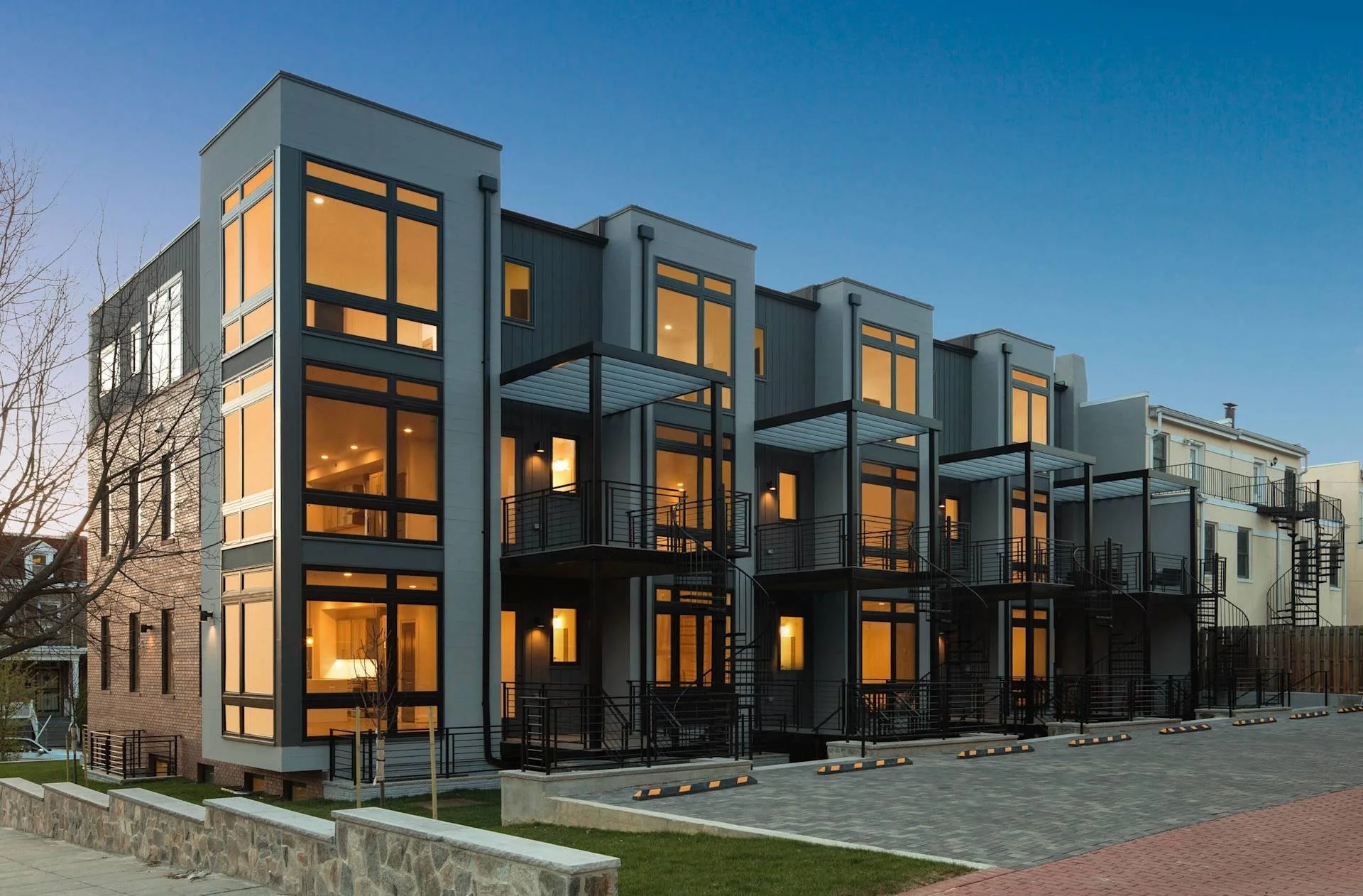
Imagine two buyers searching in the same Orlando market.
One concentrates exclusively on detached homes near the area's median single-family price of $446,375. Another expands the search to include condos and townhomes near the $299,911 median reported by ORRA.
Using the same percentage down, the second buyer is financing substantially less money.
For illustration only, with 10% down and a 30-year mortgage at approximately 6.71%, the principal-and-interest payment on the financing associated with those two median prices differs by roughly $850 per month before property taxes, insurance, mortgage insurance, association fees, or other expenses are added.
That is not a quote or a loan estimate, but it demonstrates why the type of property you search for can dramatically change your buying power.
Mortgage rates remain an important part of that equation. Freddie Mac reported that the average 30-year fixed mortgage rate was 6.71% as of September 3, 2026. Buyers can monitor the latest national averages through Freddie Mac's Primary Mortgage Market Survey.
Instead of waiting indefinitely for rates to fall, some buyers may benefit from finding a lower-priced property today and keeping refinancing as a future possibility if market conditions eventually make that worthwhile.
There is no guarantee rates will move in either direction, so the more important question is whether the property and total payment make sense based on your current finances.
In Central Florida, Location Can Matter More Than a Yard
One reason condos and townhomes deserve consideration is that they may allow buyers to prioritize where they live, rather than simply how much square footage they can purchase.
Central Florida has a wide variety of attached-home communities around Downtown Orlando, Lake Nona, Winter Garden, Kissimmee, Davenport, Altamonte Springs, Sanford, Clermont and other growing areas.
A buyer might discover that a detached home close to work, family, restaurants, entertainment, or a preferred community is outside the budget, while a townhome or condominium in the same general area is attainable.
That can have financial implications beyond the mortgage.
A shorter commute may mean less fuel, fewer miles on a vehicle, and more personal time. A community that includes exterior maintenance or landscaping may also reduce some of the responsibilities associated with owning a detached house.
For some buyers, a smaller home in the right location is a much better lifestyle decision than a larger home an hour away.
But Don't Compare Purchase Price Alone
This is one of the most important lessons I give buyers as Central Florida Realtor Robert Michael: never compare properties using only the asking price.
A $275,000 condominium with a $700 monthly association fee is financially different from a $325,000 townhome with a $200 monthly HOA fee.
You need to compare the complete monthly housing expense.
That means examining the mortgage payment, property taxes, homeowner's insurance, mortgage insurance when applicable, HOA or condo association fees, CDD fees when applicable, utilities, and anticipated maintenance.
Association fees are not automatically bad. The real question is what you receive for the money.
A condominium fee may include items such as exterior building insurance, roofing responsibilities, landscaping, community pools, security, water, cable, internet, elevators, recreational facilities, or exterior maintenance. Every association is different, so buyers should review exactly what is included rather than simply reacting to the fee amount.
Florida Condo Buyers Need to Investigate the Association
Condominium due diligence has become particularly important in Florida.
Before purchasing a condo, buyers should understand the financial and structural condition of the association—not simply the condition of the unit they are buying.
Florida law requires certain condominium buildings to undergo milestone inspections, and applicable associations may also have Structural Integrity Reserve Study (SIRS) requirements.
The Florida Department of Business and Professional Regulation explains that qualifying residential condominium and cooperative buildings of three or more habitable stories generally require milestone inspections beginning at 30 years of age, or potentially 25 years when the local enforcement agency determines local conditions warrant the earlier inspection. More information is available directly from the Florida DBPR condominium inspection resource center.
A SIRS examines major building components and anticipated reserve needs, including roofs, structural systems, plumbing, electrical systems, waterproofing, exterior painting, windows, exterior doors, and other qualifying structural elements.
Why should a buyer care?
Because a beautiful condo offered at an attractive price can become considerably less attractive if the association has inadequate reserves, major repairs coming, pending litigation, significant insurance issues, or a large special assessment.
With the Robert Michael & Co. Real Estate Team, our goal is not simply to help a buyer find a property. It is to help the buyer understand what they are actually purchasing.
Townhomes Can Offer a Middle Ground
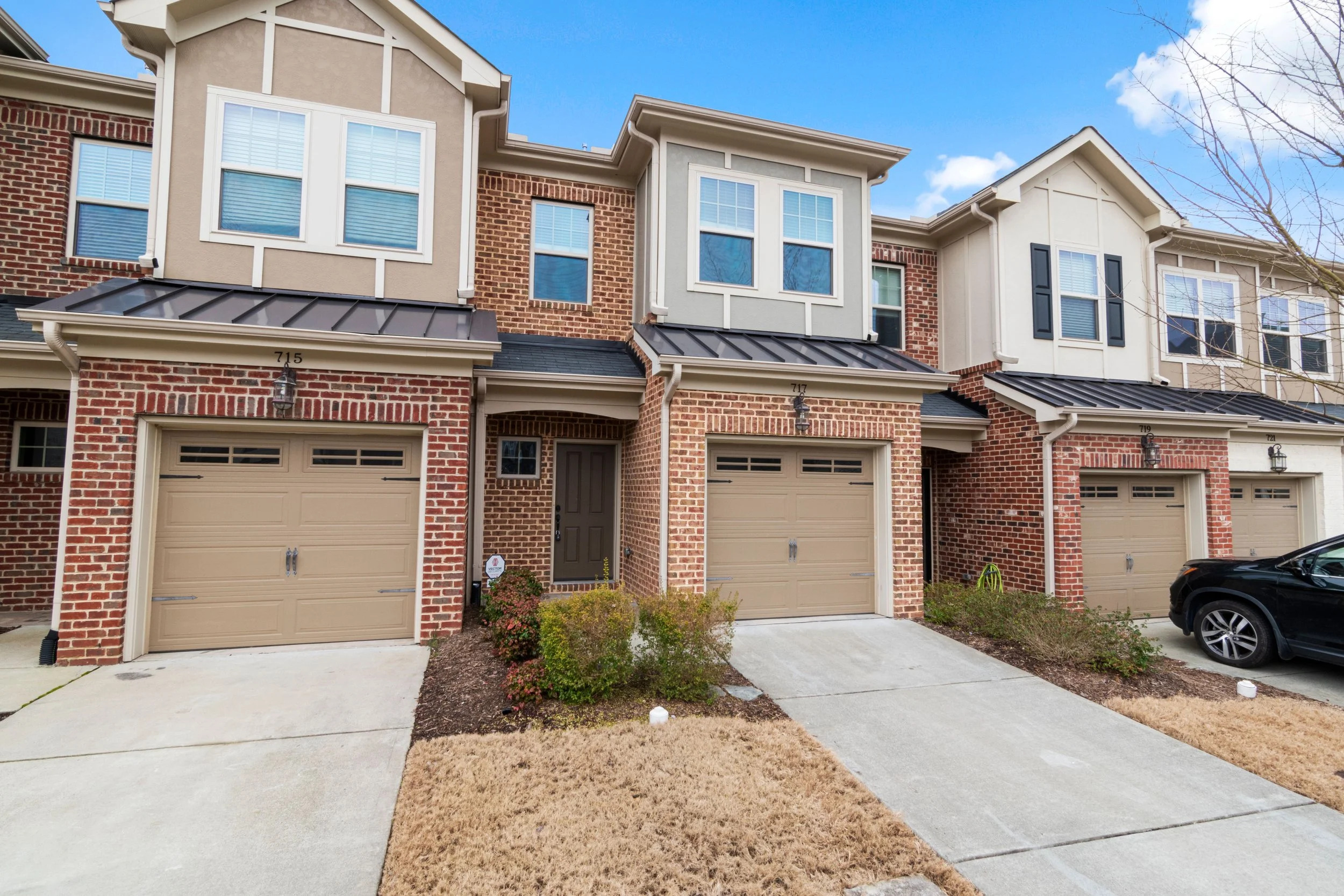
Townhomes often appeal to buyers who like the affordability and lower-maintenance characteristics of attached housing but still want something that feels closer to a traditional house.
Many townhomes offer private entrances, garages, multiple floors, patios, outdoor space, and more separation between living and sleeping areas.
There is also an important distinction buyers frequently overlook: "townhome" describes a style of property, but the legal ownership structure can vary.
Some townhome owners own the structure and land beneath it and belong to a homeowners association. Other communities may be legally structured as condominiums.
That difference can affect insurance, lending, association responsibilities, maintenance, and the documents that should be reviewed before closing.
Never assume two properties operate the same way simply because both look like townhouses.
Financing May Be More Accessible Than You Think
A common misconception among first-time buyers is that they need 20% down before they can purchase anything.
That is not always true.
HUD states that eligible FHA borrowers may qualify with a down payment as low as 3.5%, and FHA financing can be available for qualifying condos and townhomes that meet program requirements. You can learn more through HUD's FHA homebuyer information.
Florida buyers may also have assistance options depending on their occupation, income, financing and eligibility.
For example, Florida Housing's Hometown Heroes Program provides eligible borrowers in qualifying professions, servicemembers and certain veterans with down-payment and closing-cost assistance of up to 5% of the first mortgage amount, subject to a $35,000 maximum and $10,000 minimum under the current program guidelines. Program details and eligibility requirements are available from the Florida Housing Finance Corporation Hometown Heroes Program.
Assistance programs and funding availability can change, so buyers should always speak with an approved lender before assuming they qualify.
Five Things I Would Check Before Buying an Orlando Condo or Townhome
Before making an offer, I recommend evaluating more than the countertops and floor plan:
Total monthly cost: Calculate the mortgage, taxes, insurance, HOA or condo fee, CDD if applicable, and mortgage insurance—not just the purchase price.
Association financial condition: Review budgets, reserves, special assessments, recent meeting minutes, insurance information and applicable inspection or reserve studies.
Financing eligibility: Confirm that both you and the property qualify for your intended loan program before getting too far into the transaction.
Association rules: Understand rental restrictions, pet rules, parking, vehicle restrictions, approval procedures and any limitations that could affect your plans.
Resale potential: Consider location, community condition, monthly fees, association stability and how the property is likely to compete when you eventually sell.
The right attached home can be an excellent purchase. The wrong one can become expensive very quickly. Due diligence matters.
Your First Home Does Not Have To Be Your Forever Home
One of the biggest psychological obstacles for buyers is believing their first purchase needs to satisfy every requirement they may have for the next 20 years.
It doesn't.
Your first property can simply be the home that makes financial and lifestyle sense right now.
A condo or townhome could allow you to begin building equity, establish a history of homeownership, and potentially benefit from future appreciation while continuing to work toward a larger home later.
There are no guarantees about appreciation, and every purchase needs to make sense independently. But waiting for the "perfect" property can sometimes cause buyers to overlook perfectly good opportunities that are available today.
The better question may not be:
"Can I afford the single-family house I originally imagined?"
It may be:
"What type of property can I comfortably own without becoming house-poor?"
That change in perspective can completely reshape a home search.
The Orlando Opportunity
The July 2026 numbers show why this conversation is worth having.
The median single-family home sold for $446,375, while the condo and townhouse median was $299,911—a difference of approximately $146,464.
That does not mean every condo is affordable or every townhome is a bargain. Association fees, insurance, financing requirements, building condition and special assessments all have to be evaluated.
But it does mean buyers who search only for detached homes may be eliminating a significant part of the Central Florida housing market before they ever see what is available.
If you have been priced out of the type of home you originally wanted, expanding the search may be more productive than abandoning the search altogether.
Ready to Explore Your Options in Central Florida?
Robert Michael & Co. Real Estate Team can help you compare single-family homes, condos and townhomes based on the number that really matters: your total cost of ownership.
Whether you're a first-time buyer, veteran, downsizing homeowner, investor, or relocating to Orlando, Robert Michael can help you evaluate neighborhoods, association costs, property history, financing considerations and current Central Florida market conditions before you make a decision.
If you're searching for an experienced Central Florida Realtor Robert Michael or comparing real estate agents in Central Florida, contact Robert Michael & Co. Real Estate Team to build a home-buying strategy around your actual budget—not simply the list price.
Robert Michael Diaz
Broker-Owner | Robert Michael & Co. Real Estate Team
The Veteran Broker
Serving Orlando and Central Florida

Market statistics are subject to change. Mortgage examples are for illustration only and are not loan quotes. Buyers should consult their lender, insurance professional, attorney and other appropriate professionals regarding their individual circumstances.