Why Real Estate Remains a Favorite Long-Term Investment — and What It Means for Orlando in 2026

Orlando Real Estate: A Strong Long-Term Investment in 2026
Discover why real estate remains a top long-term investment and what Orlando’s 2026 housing market means for buyers, sellers, and investors.
For generations, Americans have viewed owning real estate as more than simply having a roof over their heads. A home can provide stability, independence, the opportunity to build equity, and—when purchased wisely—a valuable long-term asset.
That confidence has survived recessions, changing interest rates, inflation, stock-market volatility, and dramatic shifts in housing conditions.
In its recent discussion of the subject, Keeping Current Matters highlighted the continuing popularity of real estate as a long-term investment. But rather than simply looking at the national headline, Orlando buyers and homeowners should ask a more important question:
What does the long-term case for real estate look like right here in Central Florida?
The answer becomes especially interesting in 2026, because the Orlando housing market is giving buyers something they have not had much of during several recent years: more choices, more negotiating room, and more time to make decisions.

Orlando Florida real estate and Central Florida homes — Downtown Orlando
Americans Continue To Put Their Confidence in Real Estate
Real estate's popularity isn't based solely on industry opinion.
In Gallup's 2025 long-term investment survey, 37% of U.S. adults selected real estate as the best long-term investment, compared with 23% who selected gold and 16% who selected stocks or mutual funds. Gallup described real estate as the country's leading choice for the 12th consecutive year in that survey.
That preference becomes more meaningful when you consider how much economic uncertainty Americans have experienced during that period.
Mortgage rates have moved sharply. Home prices accelerated and then moderated. Inflation increased household expenses. Stock markets experienced periods of significant volatility.
Yet real estate has remained deeply connected to the idea of long-term financial security.
There are several reasons why.
1. A Mortgage Can Gradually Convert Housing Costs Into Equity
Everyone needs somewhere to live.
Renters generally make a monthly payment to a landlord in exchange for housing. A homeowner with a traditional amortizing mortgage also makes monthly payments, but a portion of those payments generally reduces the loan principal over time.
That difference is important.
As the mortgage balance declines, the homeowner's ownership interest—or home equity—can increase. If the property's market value appreciates over the years as well, equity may grow from two directions.
Consider a simplified example.
A buyer purchases an Orlando home for $400,000. Over time, the mortgage balance is reduced. If years later the property is worth more than the original purchase price while the outstanding loan is substantially lower, the difference can represent significant household wealth.
That does not mean home values increase every year. They don't.
Real estate goes through cycles, and individual neighborhoods and properties can perform very differently. But that is exactly why real estate should generally be evaluated as a long-term investment rather than a short-term trade.
2. Real Estate Is an Investment You Can Actually Use
Stocks, bonds, gold, and retirement accounts can all serve important purposes in a diversified financial plan.
Real estate is different because it can provide value every single day.
You can live in it.
You can personalize it.
You may be able to improve it.
You can raise a family in it, work from it, entertain friends in it, or potentially generate rental income from it depending on the property and applicable regulations.
That combination of practical usefulness and potential financial value is one reason homeownership has remained so appealing.
A house is not merely a number on an investment statement. It can simultaneously be an asset and the place where much of your life happens.
3. Orlando's Population Growth Creates an Important Long-Term Housing Story
Real estate is fundamentally local.
A national housing headline cannot tell you whether a particular property in Lake Nona, Winter Park, Windermere, Dr. Phillips, Hunters Creek, Kissimmee, Clermont, or another Central Florida community represents a sound purchase.
However, long-term demographic trends matter because more residents generally create additional demand for housing, services, infrastructure, and employment.
According to the U.S. Census Bureau's Vintage 2025 population estimates, the Orlando-Kissimmee-Sanford metropolitan area reached approximately 2.96 million residents in 2025. The metro added about 37,690 residents from 2024 to 2025, placing Orlando among the nation's top 10 metropolitan areas for numeric population growth during that period.
The City of Orlando itself was estimated at 333,888 residents in 2025, representing growth of approximately 8.4% from the April 2020 estimates base. See Orlando population data from the U.S. Census Bureau
Population growth does not guarantee property appreciation. But over the long term, the movement of people into a metropolitan area is one factor worth considering when evaluating future housing demand.
That makes Central Florida's demographic story particularly relevant to anyone considering an Orlando real estate investment.
4. The 2026 Orlando Housing Market Is Giving Buyers More Breathing Room
One of the biggest mistakes buyers can make is assuming a good real estate investment requires buying when prices are rising rapidly.
Sometimes the better environment is simply one where you have enough choices and negotiating power to make a disciplined decision.
That's increasingly important in the Orlando housing market in 2026.
According to the Orlando Regional REALTOR® Association's July 2026 housing market report:
The Orlando-area median home price was approximately $410,494.
There were about 12,043 homes in inventory.
Housing supply reached approximately 4.4 months.
Homes spent an average of 64 days on the market.
Orlando-area sales totaled approximately 2,720 during July.
The interest rate tracked in the report was approximately 6.5%.
Those numbers do not indicate that buyers can name any price they want. Orlando still remains below the six months of inventory commonly associated with a balanced housing market.
But conditions are very different from an environment where multiple buyers are fighting over nearly every property.
ORRA also reported that 68% of REALTORS® surveyed were seeing more seller concessions than the previous year, another indication that qualified buyers may have additional room to negotiate.
For buyers focused on long-term ownership, that can matter tremendously.
You may be able to compare multiple properties, negotiate repairs, evaluate seller contributions, and investigate neighborhoods more carefully instead of making a rushed decision because fifteen other offers are expected by Sunday night.
5. Buying the Right Orlando Property Matters More Than Simply “Buying Real Estate”
The phrase "real estate is a good investment" can be misleading if it suggests every property is automatically a good purchase.
It isn't.
The property's location, price, physical condition, insurance costs, taxes, HOA or condominium fees, financing structure, rental restrictions, maintenance requirements, and future resale appeal all matter.
In Central Florida, buyers should pay particularly close attention to items such as:
Insurance costs. Florida homeowners insurance can represent a meaningful portion of the monthly cost of ownership. Roof age, electrical systems, plumbing, wind mitigation features, and prior claims may affect insurability and premiums.
HOA and condominium fees. A property's purchase price may appear attractive until monthly association fees and assessments are considered.
Flood zones and drainage. Two homes only a few streets apart can have different flood considerations.
Property condition. An inexpensive home requiring a roof, HVAC system, plumbing repairs, and major renovation may ultimately cost more than a better-maintained property with a higher asking price.
Rental restrictions. Investors should never assume a home, townhome, or condominium can automatically be used as a short-term or long-term rental. Community, condominium and local-government restrictions should be reviewed before purchasing.
Location within the Orlando market. Central Florida is not one single housing market. Conditions can vary considerably by neighborhood, subdivision, school area, property type, price range, and ZIP code.
That is why analyzing comparable sales and neighborhood-specific market activity is far more useful than relying solely on a national headline.
6. Today's Mortgage Rate Isn't Necessarily Your Forever Rate
Higher mortgage rates have caused many potential buyers to wait.
That concern is understandable. The interest rate directly affects a buyer's monthly payment and purchasing power.
But there is another side to the decision.
Waiting for a lower mortgage rate does not guarantee that home prices, inventory, competition, or the particular property you want will remain unchanged.
A buyer should therefore evaluate the entire transaction, not simply the rate.
Purchase price, seller concessions, closing costs, insurance, taxes, HOA fees, anticipated ownership period, and monthly affordability should all be considered together.
If rates eventually decline and refinancing makes financial sense, some homeowners may have that option later. A buyer cannot, however, go back several years and purchase yesterday's property at yesterday's price.
The objective isn't to predict the perfect month to buy.
It's to determine whether the numbers make sense for your finances, your goals, and your expected time horizon.
7. Orlando Offers Multiple Types of Real Estate Opportunities
Another advantage of the Central Florida market is its variety.
Someone searching for homes for sale in Orlando isn't limited to one type of property or lifestyle.
Buyers may consider established neighborhoods near Downtown Orlando, luxury communities in Windermere and Dr. Phillips, newer construction around Lake Nona, suburban communities in Winter Garden, family-oriented neighborhoods throughout Orange and Seminole counties, or more affordable options extending into Osceola and Lake counties.
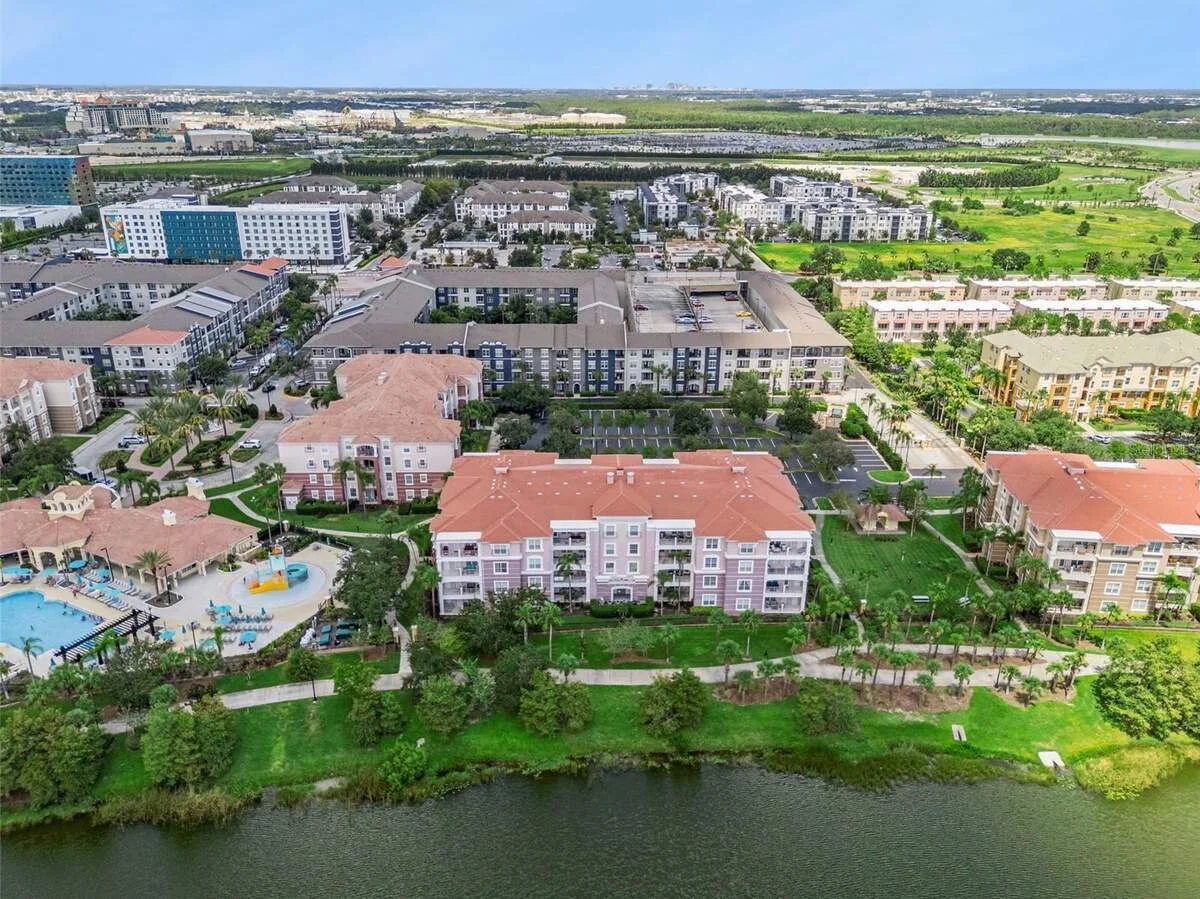
Investors may evaluate single-family homes, townhomes, condominiums or other opportunities depending on their goals and risk tolerance.
That diversity helps make Central Florida real estate attractive to different types of buyers—but it also makes professional local analysis more important.
The investment characteristics of a condominium near Downtown Orlando can be completely different from a single-family home in Lake Nona or an investment property near the tourism corridor.
Appreciation Is Only One Part of the Real Estate Equation

Buyers often ask one question first:
"How much will this house be worth in five or ten years?"
No real estate professional can responsibly guarantee that answer.
A better analysis looks at several potential benefits of ownership:
Principal reduction: Your mortgage balance may decrease over time.
Potential appreciation: Property values may increase over a long ownership period.
Lifestyle value: The home provides shelter and a place to live.
Inflation protection: Owners with fixed-rate financing can have more predictability in the principal-and-interest portion of their housing payment than renters whose rents may change over time.
Rental potential: Appropriate investment properties may generate income, although expenses, vacancies, repairs, management and taxes must be considered.
Long-term flexibility: Equity may eventually provide financial options when selling, downsizing, relocating or planning for retirement.
This broader perspective is one reason real estate continues to occupy such an important place in American wealth-building conversations.
Should You Buy Orlando Real Estate in 2026?
For some people, the answer may be yes.
For others, waiting could be the better decision.
Buying may make sense when you have stable finances, sufficient reserves, a reasonable ownership horizon and the ability to comfortably manage the full monthly cost of the property.
It may make less sense when you're likely to move again quickly, your finances are uncertain, or purchasing would leave you without adequate emergency reserves.
An investment property requires even more analysis. Investors should calculate expected rent, vacancy, taxes, insurance, HOA expenses, maintenance, management costs, capital improvements and financing before making a purchase.
The goal should never be to buy because someone said "real estate always goes up."
The goal should be to purchase the right property, at a defensible price, with financing and expenses that fit your long-term strategy.
The Bottom Line for Orlando Buyers and Investors
Real estate has maintained Americans' confidence as a long-term investment for a reason.
It provides something few other assets can offer: the potential to build financial value while simultaneously providing a place to live.
And Orlando adds another layer to that story.
Central Florida continues to attract new residents, while the 2026 housing market is offering buyers greater inventory and negotiating flexibility than they experienced during the extreme seller-market conditions of several years ago.
That doesn't mean every Orlando property is a bargain—or that buyers should rush into the market.
It means opportunity increasingly depends on careful property selection, local knowledge and good negotiation rather than simply trying to time the market.
If you're considering buying a home in Orlando, selling your current property, or investing in Central Florida real estate, the most useful first step is understanding the numbers for the specific neighborhood and property type you're considering.
A personalized market analysis can help you determine value, review comparable sales, understand current competition and decide whether the opportunity makes sense for your long-term goals.
Robert Michael & Co. can help you evaluate the Orlando market property by property—not headline by headline.