Will Home Prices Crash in Orlando? Here's What the Market Is Really Telling Us

Will Home Prices Crash in Orlando? What Buyers and Sellers Need to Know About the 2026 Housing Market
Wondering if home prices will crash in Orlando? Discover what housing experts expect, how the Orlando real estate market is performing, and what buyers and sellers should know in 2026.
If you've been waiting for home prices to fall before making your next move, you're not alone. Headlines about inflation, mortgage rates, and economic uncertainty have caused many buyers and sellers to question whether a housing market crash is around the corner. While dramatic predictions often grab attention, the reality is far more balanced.
The Orlando real estate market, like many markets across the country, is experiencing a period of adjustment rather than collapse. Inventory has improved, buyers have more negotiating power than they did during the ultra-competitive pandemic years, and price growth has slowed. However, these changes do not necessarily point toward a housing crash.
Instead, market conditions suggest that Orlando is transitioning into a healthier and more sustainable housing environment. Understanding what is driving today's market can help buyers and sellers make informed decisions instead of reacting to sensational headlines.
Why a Housing Market Crash Is Unlikely
A true housing crash requires several major factors to happen at once. Historically, crashes occur when there is an oversupply of homes, widespread foreclosures, weak lending standards, and a sudden collapse in buyer demand.
Today's housing market looks very different.
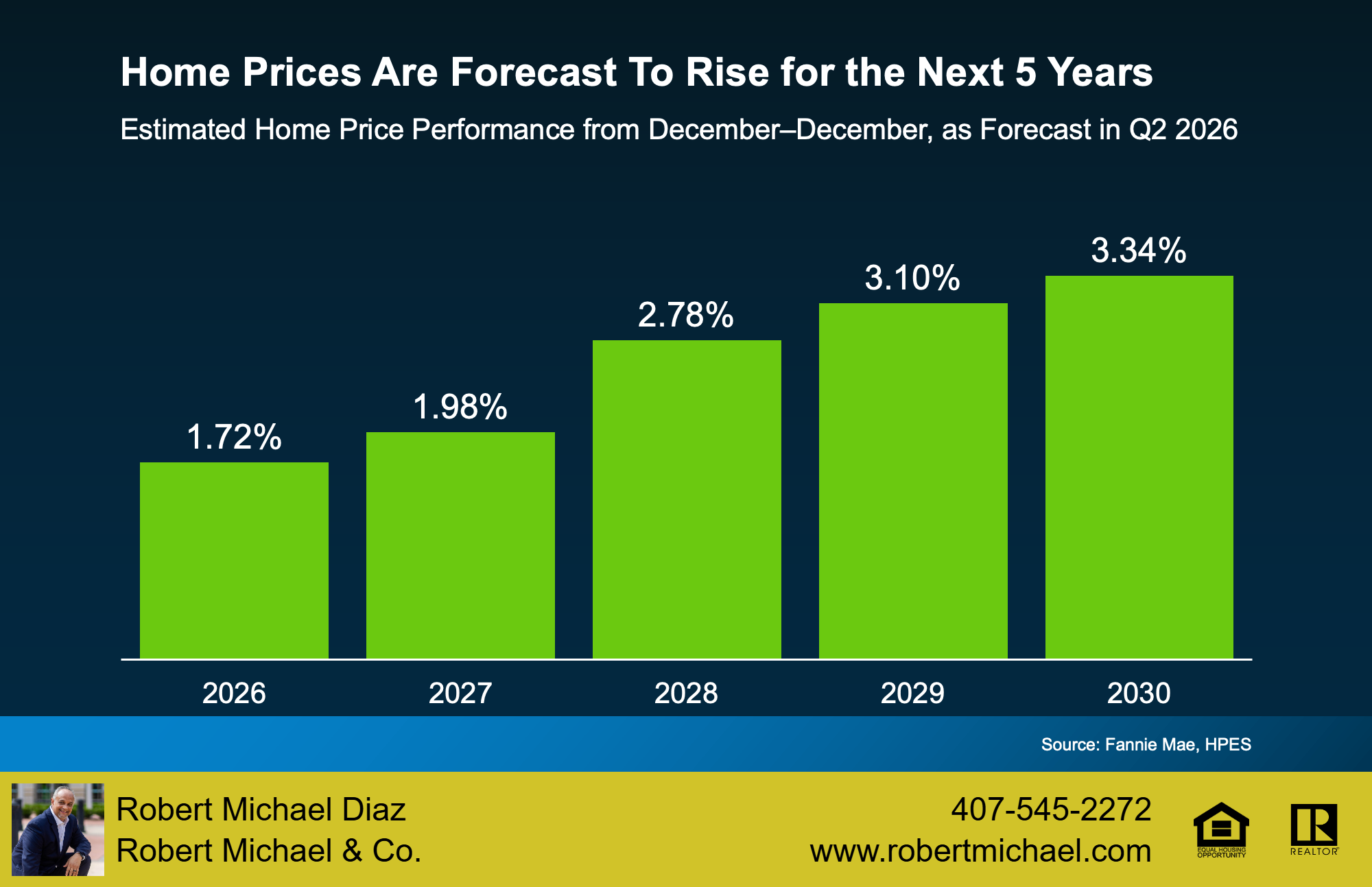
In fact, the average of all of their forecasts calls for home prices to rise every year for at least the next 5 years (see graph below):
Mortgage lending standards remain significantly stronger than they were before the 2008 financial crisis. Most homeowners have built substantial equity over the past several years, reducing the likelihood of distressed sales. Additionally, many homeowners secured historically low mortgage rates and are choosing to stay in their homes instead of selling.
These factors continue to limit the number of homes available for sale, helping support home values even as affordability challenges remain. National housing economists generally expect home prices to continue appreciating at a slower pace rather than experiencing steep declines.
Even the Most Cautious Experts Expect Prices to Rise
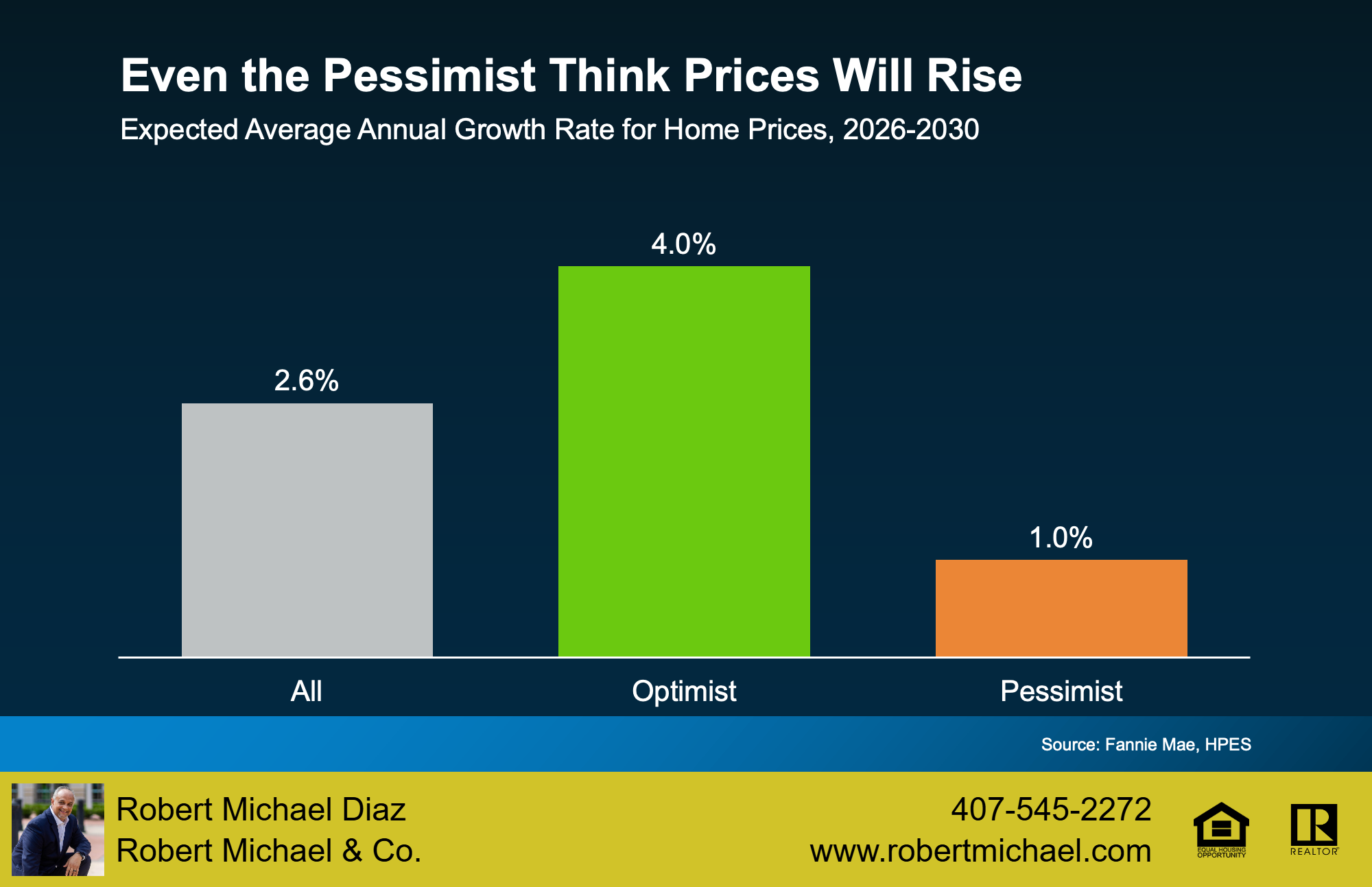
Housing market forecasts vary, but one point stands out: none of the experts surveyed anticipate a significant drop in home prices. Researchers categorized participants by their outlook on the market, from the most optimistic to the most cautious, and every group still projected appreciation over the next five years.
The more optimistic forecasters expect annual home price growth of around 4%, while the most conservative estimate is closer to 1% per year. Although the actual outcome will depend on market conditions, the consensus suggests that home values are likely to continue trending upward rather than experiencing a major decline.
Orlando's Housing Market Has Its Own Story
Every real estate market is local, and Orlando is no exception.
The Orlando area continues to benefit from several long-term economic drivers that support housing demand. Population growth remains steady as families, retirees, and remote workers relocate to Central Florida. The region also benefits from expanding healthcare, technology, hospitality, aerospace, and logistics industries that continue to create employment opportunities.
New residents arriving from higher-cost states often find Orlando more affordable than many major metropolitan areas, even after recent price increases. This steady migration continues to create demand for homes across Orange, Seminole, Osceola, and Lake counties.
Although home sales have slowed compared to the record-breaking pace seen during 2021 and 2022, demand remains healthy enough to prevent significant price declines in most neighborhoods.
Higher Mortgage Rates Have Changed Buyer Behavior

Mortgage rates have had one of the biggest impacts on today's housing market.
As borrowing costs increased, monthly payments became more expensive. This caused some buyers to pause their home search or adjust their budgets. Instead of bidding wars on nearly every listing, buyers now have more time to compare homes, negotiate repairs, and request seller concessions.
This shift has created a more balanced market rather than a distressed one.
Many buyers are discovering that while interest rates are higher than they were a few years ago, they can always refinance later if rates decline. Waiting indefinitely for dramatically lower home prices may not produce the savings many people expect, especially if home values continue to rise gradually.
Inventory Is Improving Without Flooding the Market

More Choices, Steady Demand
One of the biggest differences between today's market and previous housing downturns is inventory.
Orlando has seen more homes become available compared to the extremely limited inventory during the pandemic. This increase gives buyers more options while reducing the intense competition that previously drove prices sharply upward.
However, inventory levels still remain below the long-term historical averages in many Central Florida communities.
Because supply has improved without becoming excessive, prices are adjusting more gradually instead of falling dramatically. Sellers may need to price their homes more competitively and prepare properties carefully, but well-maintained homes in desirable neighborhoods continue to attract qualified buyers.
What Orlando Buyers Should Consider
For buyers, today's market offers opportunities that were difficult to find just a few years ago.
Instead of rushing into offers within hours, buyers often have more time to conduct inspections, negotiate closing costs, and compare financing options. Builders are also offering incentives on many new construction communities throughout Central Florida, including mortgage rate buydowns and assistance with closing expenses.
Waiting for a market crash may not be the best strategy if your personal finances and long-term plans already support homeownership.
Real estate has traditionally been a long-term investment. Small fluctuations in home prices matter much less over ten or fifteen years than purchasing a home that fits your needs and budget.
Experts See Growth Ahead, Not a Housing Market Collapse
While opinions differ on how quickly home values will increase, there is broad agreement that a major price decline is unlikely. Analysts with the most positive outlook anticipate home prices rising by about 4% annually over the next five years, while the most cautious forecasts call for more modest gains of around 1% per year.
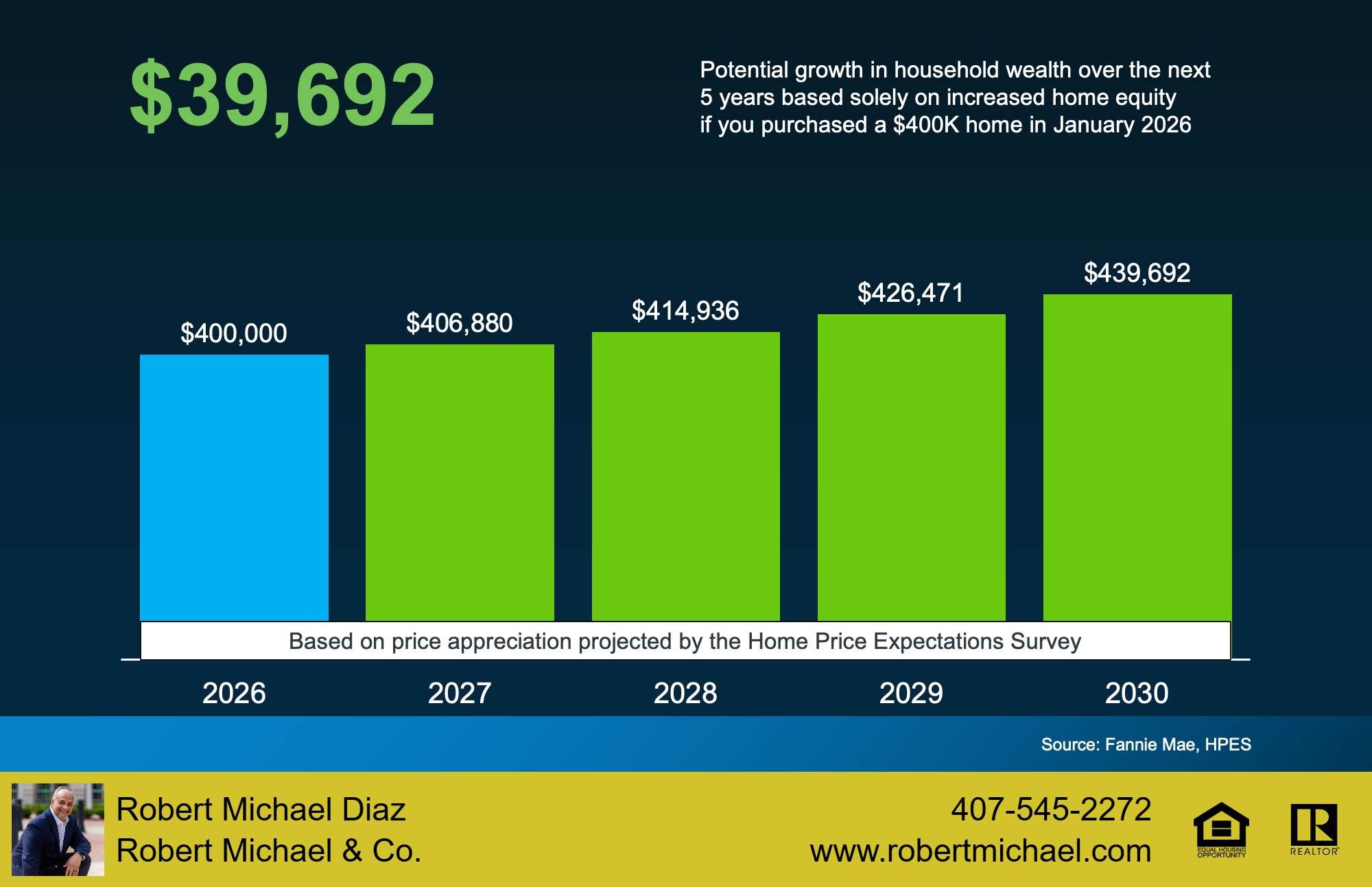
The pace of appreciation may vary, but the overall expectation remains the same: home prices are projected to continue moving higher, even under the most conservative scenarios.
Why Sellers Shouldn't Panic
Some homeowners worry that they missed the perfect time to sell.
While it is true that today's market differs from the extraordinary conditions of 2021, sellers continue to benefit from years of accumulated home equity. Many Orlando homeowners still have substantial gains compared to when they purchased their homes.
Success today depends more on realistic pricing and effective marketing than simply listing a property.
Professional photography, virtual tours, strategic online marketing, and accurate pricing are becoming increasingly important as buyers have more choices.
Homes that are priced correctly often sell efficiently, while overpriced listings may remain on the market longer before requiring price adjustments.
Local Neighborhoods Continue to Perform Differently
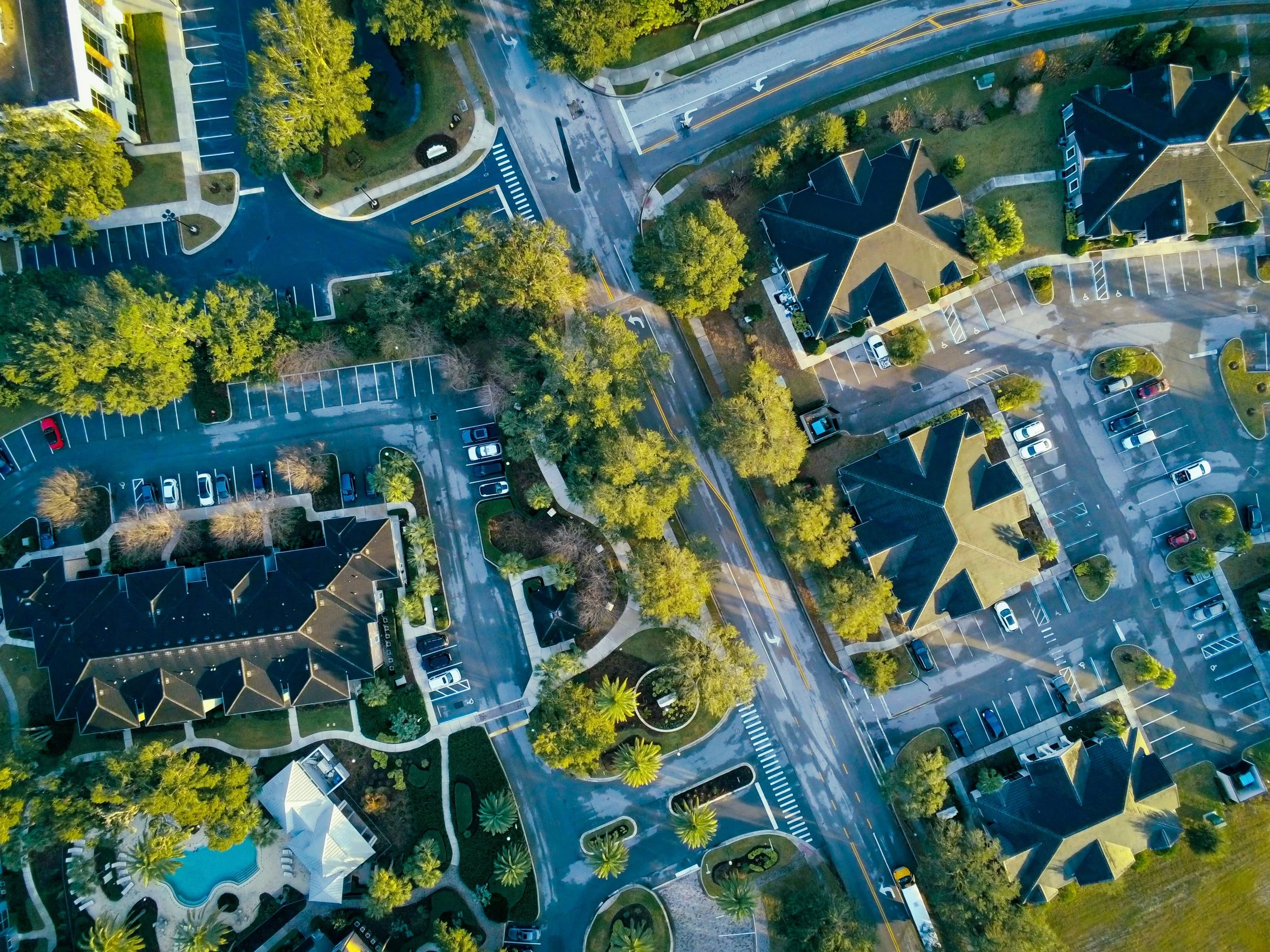
Another reason predictions of a market crash can be misleading is that Orlando is not one single housing market.
Communities such as Lake Nona, Winter Garden, Windermere, Winter Park, Clermont, Oviedo, and Dr. Phillips each have different inventory levels, buyer demand, school districts, and pricing trends.
Luxury homes may behave differently than starter homes. New construction communities may see different pricing than established neighborhoods. Waterfront properties may experience entirely separate market dynamics.
Understanding neighborhood-specific trends is often much more valuable than relying on national headlines.
What Could Affect Home Prices Going Forward?
Several factors will influence Orlando home prices throughout the coming year.
Mortgage rates remain one of the biggest variables. Lower rates could encourage more buyers to enter the market, increasing demand and supporting prices. Continued job growth across Central Florida would also strengthen housing demand.
On the other hand, if inventory rises significantly while buyer demand weakens, price appreciation could slow further in certain neighborhoods.
Most economists anticipate moderation rather than dramatic swings, making local market knowledge increasingly valuable for both buyers and sellers.
The Long-Term Outlook for Orlando Real Estate
Orlando has consistently ranked among the nation's fastest-growing metropolitan areas due to its strong economy, expanding infrastructure, tourism industry, educational institutions, and quality of life.
Large employers continue investing in the region, while transportation improvements and ongoing development projects support future growth.
These long-term fundamentals help explain why many housing professionals remain optimistic about Orlando real estate despite short-term market adjustments.
While no housing market is completely immune to economic changes, the conditions that typically lead to a severe housing crash simply are not present on a broad scale today.
Final Thoughts
If you're waiting for Orlando home prices to collapse before buying, current market conditions suggest that scenario is unlikely. Instead, buyers and sellers are experiencing a healthier market where negotiation, preparation, and realistic expectations matter more than ever.
For buyers, increased inventory and reduced competition create opportunities that have been difficult to find in recent years. For sellers, strong equity and continued demand mean well-priced homes remain attractive to qualified buyers.
Rather than trying to perfectly time the market, focus on your financial readiness, long-term goals, and the specific conditions within your local neighborhood. Real estate decisions are rarely about predicting headlines—they're about making the right move for your unique situation.